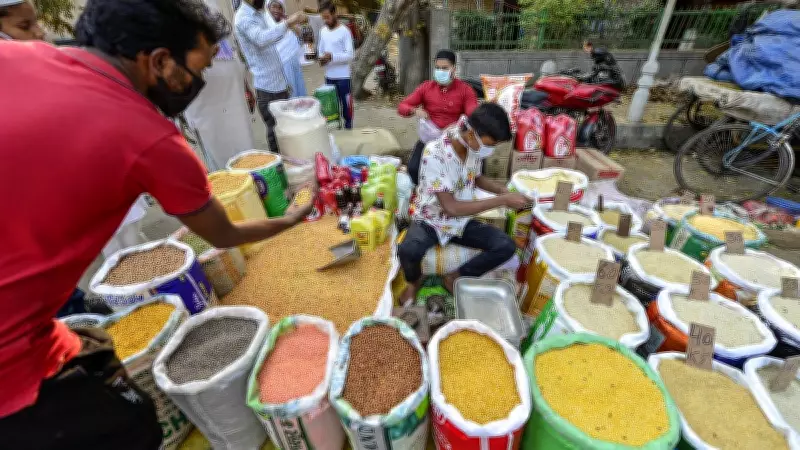
Karnataka Sets Ambitious Goal to Boost Pulses Output and Reduce National Import Reliance
In a strategic move to enhance domestic agricultural self-sufficiency, the state of Karnataka has announced plans to significantly increase its production of key pulses, including tur, urad, and moong dal. This initiative comes at a critical time when India remains a net importer of pulses, heavily dependent on foreign sources to meet its domestic demand.
Current Import Landscape Highlights Urgent Need for Domestic Production
India's reliance on imported pulses is substantial, with recent data revealing that the country sources a large portion of its pulses from international markets. Specifically, 38% of India's pulse imports originate from Mozambique, while Myanmar contributes 24% and Tanzania accounts for 23%. This dependency not only impacts the national economy but also poses risks related to supply chain stability and food security.
The focus on increasing production in Karnataka is seen as a vital step toward reducing this import burden. By boosting output of tur, urad, and moong dal, the state aims to contribute more significantly to India's overall pulses supply, potentially lowering the need for costly imports and enhancing agricultural resilience.

Strategic Agricultural Initiatives in Karnataka
Karnataka's agricultural sector is poised for transformation with targeted efforts to improve pulses cultivation. The state government is implementing measures to support farmers, including:
- Providing high-yield seed varieties for tur, urad, and moong dal to enhance crop productivity.
- Offering technical assistance and training programs to educate farmers on modern farming techniques.
- Investing in irrigation infrastructure to ensure consistent water supply, crucial for pulses growth.
- Encouraging crop diversification to include more pulses in rotation, improving soil health and yield.
These initiatives are designed to not only increase the quantity of pulses produced but also improve the quality, making Karnataka a key player in India's agricultural landscape.
Potential Impact on National Food Security and Economy
By ramping up pulses production, Karnataka could play a pivotal role in strengthening India's food security. Reduced import dependency would lead to:
- Lower expenditure on foreign pulses, saving valuable foreign exchange reserves.
- Enhanced stability in domestic pulse prices, benefiting consumers across the country.
- Increased income for farmers in Karnataka, boosting the state's rural economy.
- Greater control over supply chains, reducing vulnerability to international market fluctuations.
This move aligns with broader national goals of achieving self-reliance in essential food commodities. As India continues to grapple with the challenges of feeding its large population, initiatives like Karnataka's pulses boost are crucial for long-term sustainability.
The success of this endeavor will depend on effective implementation of agricultural policies, continuous support for farmers, and favorable weather conditions. If successful, Karnataka could set a precedent for other states to follow, collectively reducing India's pulse import dependency and fostering a more resilient agricultural sector.