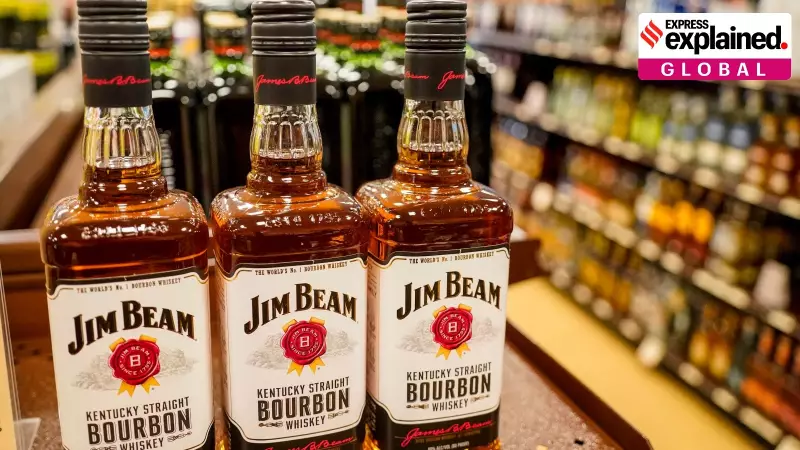
In a move that signals a dramatic shift for the American spirits industry, iconic bourbon maker Jim Beam has announced it will completely halt production at its flagship Kentucky distillery for the entire year of 2026. The decision marks a pivotal moment for a brand synonymous with bourbon, coming amidst a broader industry-wide slowdown following more than 20 years of robust expansion.
A Strategic Pause Amidst a Cooling Market
The company, owned by Japanese beverage giant Suntory Global Spirits, stated the closure is an opportunity to invest in site enhancements. In an official communication, the brand noted it is "always assessing production levels to best meet consumer demand" and recently discussed 2026 volumes with its team. This development is not an isolated incident. Earlier this year, several other distilleries scaled back operations. Jack Daniel's parent company closed a Kentucky barrel-making plant in January, and LMD Holdings filed for Chapter 11 bankruptcy in July, just a month after inaugurating its Luca Mariano Distillery in Danville, Kentucky.
The backdrop to these decisions is a stark deceleration in the global bourbon market. According to data from industry analyst IWSR, bourbon sales growth slowed to a mere 2% between 2021 and 2024. This is a significant drop from the 7% global growth rate the spirit enjoyed between 2011 and 2020.

The Historic Rise of an American Icon
The story of Kentucky bourbon began in the late 18th century. Following the American Revolution, with rum imports from Britain curtailed, settlers in Kentucky—many from whiskey-distilling regions of Europe—used the region's abundant corn to create a distinctive style of whiskey. By 1792, over 500 distilleries operated in the new state. The spirit gained the name "bourbon" by the 1820s, likely from Bourbon County, though its exact origins are debated.
For much of its history, bourbon was not a cultural symbol. Its fortunes changed post-World War II, culminating in a 1964 Congressional resolution declaring it a "distinctive product of the United States." Despite a late-20th-century slump, where it failed to attract younger drinkers, bourbon experienced a renaissance after the 2008 financial crisis. Its value-for-money appeal for cocktails and nostalgic shows like Mad Men fueled a boom. This led to massive investments and expansion, with an estimated 16.1 million barrels of whiskey currently ageing in Kentucky today.
Factors Behind the Current Fall
Experts point to two primary drivers for the current slump. First is a global decline in alcohol consumption, driven by health awareness, lifestyle changes, and inflation. A 2024 Gallup survey found only 54% of US adults drink alcohol, the lowest since record-keeping began in 1939. Consumption among youth has plummeted, with a University of Michigan study showing a drop from 75% in 1997 to 42% in 2024 among 12th graders.
Second, trade policies have created headwinds. Retaliatory tariffs, particularly in Canada—which accounts for 10% of Kentucky's $9 billion whiskey business—have closed a major export market. Furthermore, unpredictable tariff policies have stalled distillers' ambitions in promising new markets across South Asia and Africa.
Whiskey expert Fred Minnick called Jim Beam's decision "a sad day for bourbon" and "a real punch in the gut," suggesting this may be the start of more industry shutdowns. As the global thirst for bourbon wanes, the halt at one of its most famous distilleries stands as a potent symbol of a changing era for America's native spirit.