Jalandhar's Wheat Procurement Season Begins Amidst Mandi Disarray
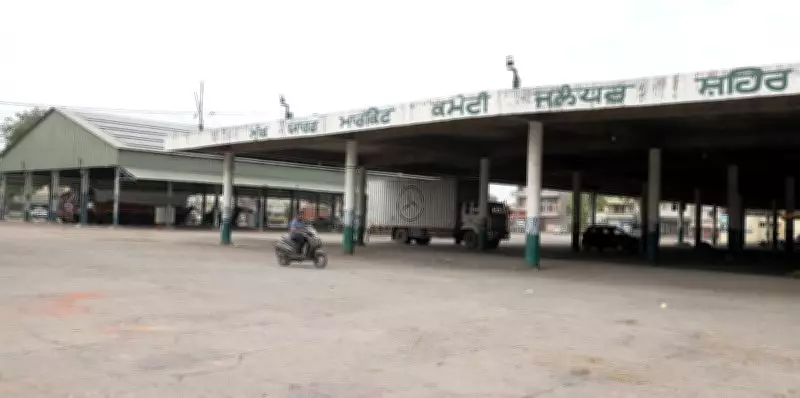
The wheat procurement season has officially commenced in Jalandhar, Punjab, but the condition of the local mandis (agricultural markets) remains in a state of disrepair, causing significant concerns for farmers and agricultural authorities. As the harvest season kicks off, the lack of proper infrastructure and facilities at these markets is posing serious challenges to the smooth operation of wheat purchases.
Poor Infrastructure and Inadequate Facilities
Reports indicate that many mandis in Jalandhar are suffering from inadequate facilities, including poor sanitation, insufficient storage space, and lack of proper weighing and grading equipment. This has led to delays and inefficiencies in the procurement process, with farmers facing long waiting times and potential losses due to spoilage or mishandling of their produce.
The situation is particularly critical as wheat is a major crop in the region, and timely procurement is essential to ensure fair prices and minimal post-harvest losses. Local farmers have expressed frustration over the state of the mandis, citing that previous promises of improvements have not been materialized.

Impact on Farmers and Agricultural Economy
The disarray in Jalandhar's mandis is not just an inconvenience; it has real economic implications. Farmers rely on these markets to sell their wheat at government-set minimum support prices (MSP), and any disruption can lead to financial distress. With the procurement season being a crucial time for agricultural income, the poor condition of mandis threatens to undermine the livelihoods of many in the farming community.
Officials from the Punjab Mandi Board and local agricultural departments have acknowledged the issues, but concrete actions to address them have been slow. There are calls for immediate interventions, such as temporary repairs, enhanced logistical support, and better coordination among stakeholders to mitigate the problems during this peak season.
Broader Implications for Punjab's Agriculture
Jalandhar's mandi woes reflect broader challenges in Punjab's agricultural infrastructure, which has been under strain due to various factors, including outdated systems and insufficient maintenance. As one of India's key wheat-producing states, Punjab's ability to efficiently handle procurement is vital for national food security and farmer welfare.
The current situation highlights the need for sustained investment and modernization of mandi facilities across the state. Without such measures, similar issues may recur in future seasons, potentially exacerbating farmer discontent and affecting agricultural productivity.
In summary, as wheat purchase season begins in Jalandhar, the shambolic state of its mandis serves as a stark reminder of the infrastructural gaps in India's agricultural sector, urging prompt attention from authorities to safeguard farmer interests and ensure smooth procurement operations.