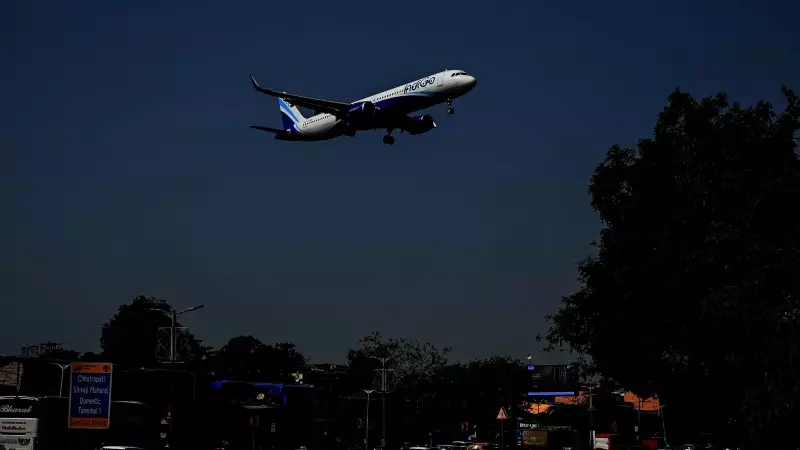
After a turbulent start to December that saw India's largest airline, IndiGo, cancel thousands of flights, a fragile calm has returned to the skies. This recovery was made possible only by a crucial temporary exemption granted by the aviation regulator, the Directorate General of Civil Aviation (DGCA). The exemption, valid until February 10, relates specifically to new crew rest rules for night operations, a period where IndiGo's dominance is unmatched.
The Root of the Crisis: New Rules vs. Night Dominance
The chaos stemmed from revised Flight Duty Time Limitation (FDTL) norms that took effect on November 1. A key change was the redefinition of 'night duty' from midnight-5 am to midnight-6 am. More critically, for any flight duty encroaching this new six-hour window, the maximum number of landings permitted for a pilot was capped at two, a drastic reduction from the earlier allowance of up to six.
This rule hit IndiGo with disproportionate force. An analysis of schedule data reveals that between midnight and 6 am, IndiGo operates more domestic arrivals and departures than all other major Indian airlines combined. On a typical Monday in November, IndiGo accounted for 59.2% of all domestic arrivals and 62.2% of departures in this window. In simpler terms, six out of every ten aircraft movements in Indian skies during those hours belonged to IndiGo.

The airline's supremacy is even more pronounced in the newly added 5-6 am hour, where it handles a staggering 95% of all domestic arrivals among major carriers.
Scale, Complexity, and a Pilot Shortfall
IndiGo's vast network, where it is the sole operator on over 60% of its domestic routes, made crew rostering immensely complex under the new rules. While night operations constitute only about 8% of its total daily flights—a share comparable to rivals—the absolute numbers are overwhelming. In November, IndiGo operated nearly 2,000 domestic flights daily, far exceeding competitors.
Despite nearly two years to prepare for the new FDTL regime, IndiGo expanded its schedule, including night flights, without proportionately scaling its pilot workforce. Data shared with the DGCA showed the airline was short by 65 captains for its Airbus A320 fleet to comply with the new norms. While it had sufficient First Officers, the buffer was minimal.
The landing cap had a cascading effect, requiring more pilots to be rostered not just for the night window but across the entire day—a challenge for IndiGo's traditionally lean staffing model. For instance, if pilots landed a flight post-midnight, they could operate only one more sector that entire duty shift, severely limiting productivity compared to the earlier norm of four or five sectors.
Competitors Were Better Prepared
Other airlines like Air India, Akasa Air, and SpiceJet appeared to have navigated the change more smoothly. They benefited from having a stronger relative bench strength of pilots and having a higher concentration of their night operations at the top six metro airports, simplifying crew logistics. In contrast, IndiGo's night flights are spread across a wider network of airports.
The Road to Recovery and Lasting Impact
The DGCA's exemption provided critical breathing room. From a low of around 700 daily flights during the peak disruption, IndiGo has ramped up to over 2,050 flights since December 13. However, the regulator has also ordered the airline to curtail its schedule by 10%. Sources indicate IndiGo may stabilize at about 2,200 daily flights (1,900 domestic) until March 28, 2026, down from the pre-crisis 2,300.
To achieve long-term compliance, IndiGo is now on a hiring spree and expediting command upgrades (promoting First Officers to Captains). The goal is to build sufficient pilot strength by early-to-mid February. If these measures fall short, the airline may be forced to rationalise its night flight network.

The DGCA is investigating the disruptions, and IndiGo is conducting its own internal probe. The airline admitted to the regulator that the crisis arose from "misjudgement and planning gaps" in implementing the rules. While the temporary fix has averted immediate collapse, the episode raises serious questions about the preparedness of India's aviation giant, which dominated the night sky but was caught flying in the dark when the rules of the game changed.