

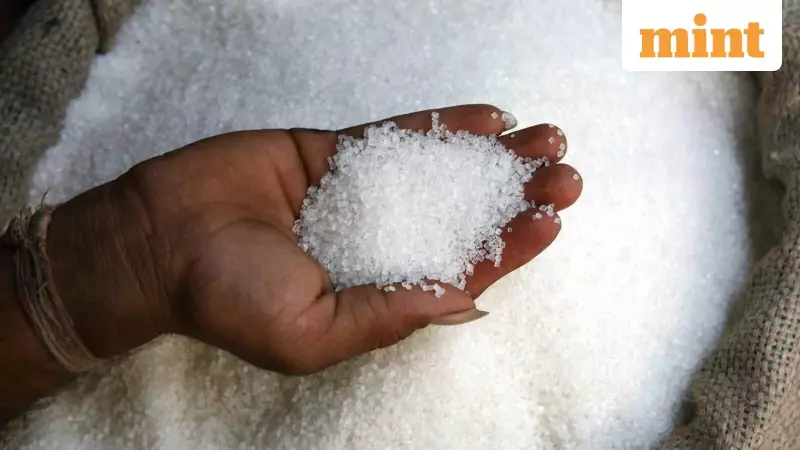
India's legendary love affair with sweets, from syrupy jalebis to creamy rasgullas, is undergoing a significant transformation. Driven by a severe diabetes crisis and a generational pivot towards wellness, the nation's consumption of table sugar is hitting a plateau, with growth projected to decline in the coming years.
A Dramatic Slowdown in Sugar Demand
Consumption of sucrose is expected to rise by a mere 1.42% in the current fiscal year (2025-26), according to the Indian Sugar and Bio-Energy Manufacturers Association (ISMA). This is a stark slowdown from the pre-pandemic annual growth rate of about 4.1%. Deepak Ballani, Director General of ISMA, notes that domestic consumption is expected to reach only around 28.5 million tonnes in 2025-26, up marginally from 28.1 million tonnes the previous year. This figure is also below the FY24 consumption of 29 million tonnes.
Prakash P. Naiknavare, managing director of the National Federation of Cooperative Sugar Factories Ltd, confirms the trend. "Sugar demand has now reached a plateau," he stated, adding that consumption could begin to decline after 2025-26 as consumers increasingly shift to alternatives like stevia.

Health Crisis and Changing Palates Drive the Shift
This shift holds profound significance for a nation grappling with the world's second-highest diabetes burden of 100 million people, with another 136 million in the pre-diabetes stage. High sugar intake is directly linked to type-2 diabetes, obesity, and cardiovascular diseases.
Healthcare professionals view the slowing demand as a positive and necessary public health development. "The younger population is more fitness-conscious now and monitors its sugar intake," said Dr. Niranjan Hiremath, a senior cardiovascular consultant at Apollo Hospital, Bangalore. He cautioned, however, that artificial sweeteners used as alternatives can have harmful effects if consumed in excess.
Delhi-based endocrinologist Dr. Monashis Sahu attributed the change to rising awareness. "This shift is likely to continue, especially as preventive healthcare and nutrition literacy improve," he explained.
Consumers are increasingly turning to natural alternatives like jaggery, dates, and fruit-derived sugars, perceived as healthier options.
Industry Adapts as Household Demand Wanes
The sugar industry is navigating this new reality by becoming increasingly reliant on institutional buyers. Pramod Patwari, CFO of Balrampur Chini Mills Ltd, pointed out that while household consumption has declined, sugar is increasingly consumed indirectly through sweets, bakery products, and food services.
Analysts from Crisil Ratings reinforce this view. Director Poonam Upadhyay stated that momentum in India’s sugar consumption will continue to be driven by institutional demand, with food and beverage companies accounting for 65% of total sugar demand. The remaining 35% comes from households, where demand is steady but not growing significantly.
Meanwhile, India's sugar output for the 2025-26 season is projected to increase by nearly a fifth to 30.95 million tonnes, due to favourable monsoon conditions and improved yields. This potential surplus, coupled with sluggish exports due to uncompetitive pricing against Brazilian sugar, poses challenges for mills and farmers.
Patwari urged the government to revisit the 2018 National Policy on Biofuels to encourage ethanol production, which would help balance domestic supply, support the industry, and ensure timely payments to farmers.
The story of sugar in India is being rewritten, moving from unabashed celebration to cautious consumption, marking a fundamental shift in the country's dietary culture and public health trajectory.






