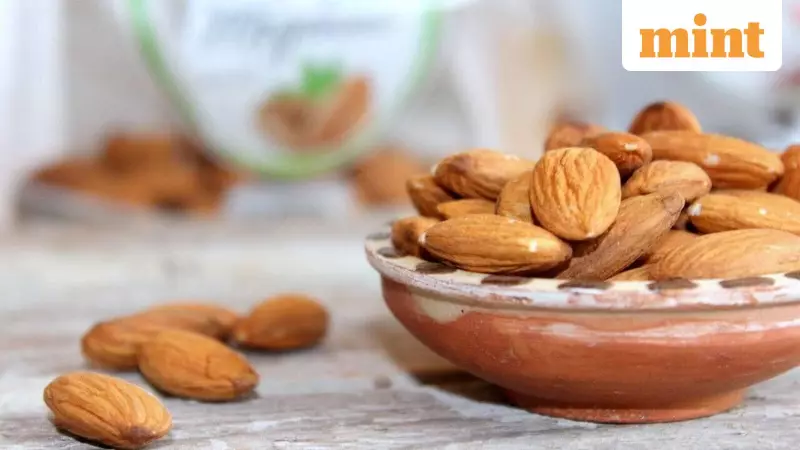
India's massive dry fruits and nuts sector, valued at $8.5 billion, is witnessing a fundamental change in its structure. The market is rapidly moving away from its traditional roots of loose, unprocessed trade towards a modern landscape dominated by value-added, branded, and compliance-focused products.
From Commodity to Consumer Brand: The Processing Revolution
The core of this transformation is the rise of processing as the key growth driver. Nitin Sehgal, CEO of the Nuts and Dry Fruits Council (India), states that this shift is reshaping supply chains, retail formats, and how consumers buy. A significant portion of consumption now comes from processed offerings like roasted and flavoured nuts, convenient trail mixes, snack packs, nut butters, and portion-controlled packs designed for modern retail and e-commerce.
This evolution is critical for a market that depends heavily on imports for about 80% of its supply. India sources almonds, walnuts, pistachios, raisins, and cashews primarily from the United States, Saudi Arabia, Iran, and the UAE.

Gunjan Vijay Jain, MD & CEO of VKC Nuts Pvt. Ltd. (Nutraj brand), highlights the scale of change. While only 8-10% of retail sales were packaged a few years ago, that figure has now jumped to 25-30%. The packaged nuts and seeds market alone is projected to reach nearly $4.96 billion by 2030, signaling a decisive move from commodity buying to branding and value-addition.
Health Consciousness and Retail Change Fuel Demand
The surge in demand is powered by changing dietary habits, increased prosperity, and a strong focus on wellness. Consumers are now more aware of quality, hygiene, origin, and nutritional data, pushing companies to adopt better practices.
Doctors note this reflects a broader dietary shift towards whole foods. Dr. Gagandeep Singh, founder of Delhi's Redial Clinic, emphasizes that dry fruits like almonds and walnuts are nutrient-dense and can support metabolic health and insulin sensitivity when consumed mindfully.
The growth of e-commerce and modern retail chains has accelerated this trend, as these platforms prefer standardized, branded products. This creates opportunities for organized players while reducing the dominance of traditional wholesale mandis. Premiumisation is also evident, with rising demand for flavoured nuts, gift packs, and trail mixes among urban consumers, as noted by Bola Rahul Kamath, Director of Bolas Agro (P) Ltd.
Consumption Patterns and a Look at the Future
In terms of volume, dates lead consumption in India at an estimated 470,000 - 475,000 tonnes per year, followed by raisins at 250,000 tonnes. Among nuts, cashews are the most consumed at around 250,000 tonnes annually, making India one of the world's top markets. Almond consumption stands at approximately 138,000 tonnes, while pistachios and walnuts are at 37,000 and 35,000 tonnes respectively, gradually moving beyond festive use into daily diets.
Looking ahead, India will remain a major importer for key nuts. Projections for 2025-26 suggest imports of about 190,000 metric tonnes of almonds, 75,000 MT of walnuts, and 55,000 MT of pistachios. Raw cashew imports for processing are expected to be between 1.3 to 1.4 million tonnes.
To cement India's position in the global arena, the Nuts and Dry Fruits Council (India) will organize the third edition of MEWA India next year, aiming to position the country as a centre for the world's nutritional economy. The industry's future is clearly branded, processed, and health-driven.