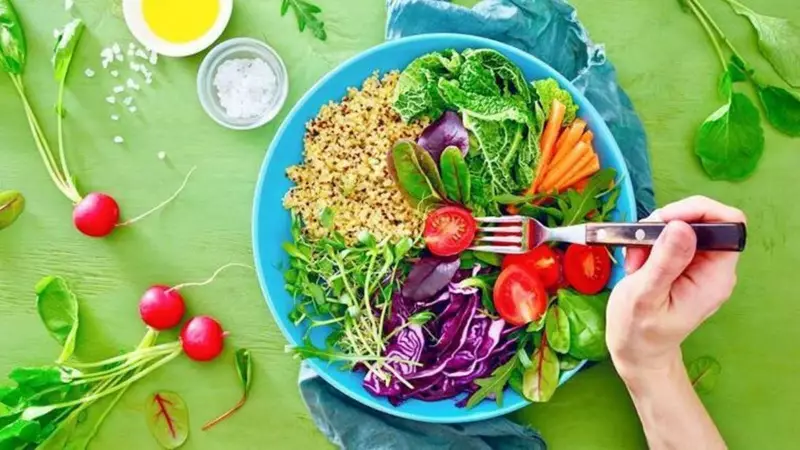
India's eating habits are transforming rapidly. Urban menus now regularly feature millets, indigenous rice varieties, artisanal pulses, and region-specific oils. Quinoa sits alongside jowar, avocado accompanies ragi bread, and millets appear in salads, sourdoughs, and desserts. This culinary shift presents a significant opportunity to reshape Indian agriculture and rural economies.
Consumption Patterns Drive Economic Change
In a country where nearly 97 percent of consumed food is domestically produced and locally sourced, consumption patterns serve as powerful economic instructions. Agriculture remains the primary livelihood for over 45 percent of India's workforce, making dietary changes particularly impactful.
National Sample Survey Office and Consumer Expenditure Surveys reveal a steady decline in per-capita cereal consumption since the early 1990s. Meanwhile, expenditure on fruits, vegetables, dairy, eggs, meat, fish, and processed foods continues to rise.

Urban households now allocate less than 35 percent of food expenditure to cereals, compared to over 60 percent three decades ago. Rural India follows the same trajectory, though slightly delayed. Spending on processed and value-added foods in rural households has more than tripled over the last twenty years.
Agricultural Production Lags Behind
Food markets are evolving faster than food production systems. India's cropping patterns remain deeply entrenched in two primary commodities: rice and wheat. These staples occupy close to 40 percent of India's cropped area.
In contrast, pulses, oilseeds, fruits, and vegetables account for less than 30 percent of cultivated land. All millets combined occupy roughly 13 percent of agricultural area.
Subsidies, procurement policies, minimum support prices, irrigation infrastructure, research funding, and extension services continue to favor rice and wheat production. This institutional support persists even as consumer demand shifts toward more diverse and nutrient-rich foods.
The Cost of Mismatch
The economic consequences of this production-consumption mismatch are substantial. India currently imports 60 percent of its edible oil requirements. With pulses, shortages frequently push prices upward, triggering imports that are followed by production surges. These surges then cause sharp price crashes that discourage farmers from diversifying their crops.
Farmers continue producing for a food system that urban India is gradually moving away from. However, when millets consistently appear on restaurant menus and retail shelves, agricultural acreage follows. When chefs champion indigenous grains or forgotten varieties, seed systems revive, markets respond, and farmers benefit.
Global Precedents and Local Potential
Global experience underscores this connection between consumption and production. The rise of quinoa as a staple between 2000 and 2015 transformed production patterns in Peru, with exports increasing nearly tenfold during that period.
India possesses all the necessary ingredients to leverage dietary change for agricultural diversification. The country has the culinary traditions, agricultural knowledge, and market mechanisms to make this transition successful.
Multiple Benefits of Diversification
Dietary diversity and farm diversity represent economic, ecological, and nutritional imperatives for India. Nutritionally, the country faces a triple burden: undernutrition, micronutrient deficiencies, and rising obesity rates. Improved access to pulses, millets, fruits, vegetables, eggs, and animal-source foods is essential for addressing these challenges.
Diversification also helps manage climate risks. Millets use up to 60 percent less water than rice and wheat. Pulses fix nitrogen in soil, improving soil health naturally. Horticulture offers higher value per hectare with a smaller ecological footprint compared to traditional cereal crops.
For farmers, diversification means more income sources and better market-risk mitigation. High-value crops can significantly improve profits, especially for smallholder farmers who constitute the majority of India's agricultural workforce.

Policy Support Needed
The government remains India's largest food buyer. Programs such as PM-POSHAN, which feeds 10-12 crore children daily, send strong demand signals through the food system. However, diversification will remain marginal unless minimum support prices receive complementary support.
Assured procurement pilots, price-deficiency payments, expanded crop insurance, and demand-linked research investments are necessary to encourage farmers to shift toward more diverse cropping patterns.
Restoring Historical Connections
Historically, Indian cuisine evolved in close conversation with climate, soil conditions, and seasonal availability. Today, as India's palate becomes more diverse and health-conscious, there exists a genuine opportunity to restore that connection between what people eat and what farmers grow.
The future of Indian agriculture will be determined as much by what India chooses to eat as by what it chooses to grow. This relationship between plate and field represents one of the most significant opportunities for transforming India's food system in the coming decades.