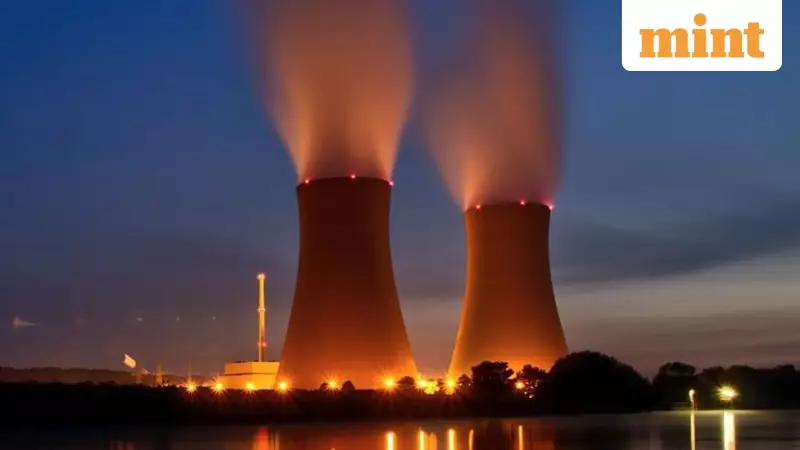
India is reigniting its ambitious nuclear energy program with a bold target of reaching 100 gigawatts of capacity by 2047. This massive push, however, comes with a critical warning: the nation must simultaneously enforce super-strict radiation risk controls and learn from past global nuclear disasters.
The Shanti Bill and a Renewed Nuclear Thrust
Nearly two decades after a high-stakes deal with the United States failed to fully materialize, the Indian government is making a fresh attempt to transform its nuclear energy landscape. The catalyst is the proposed Shanti Bill, which seeks to dust off a long-stalled expansion project. The current nuclear capacity stands at under 9GW, making the leap to 100GW by 2047 a monumental task.
The proposed legislation is expected to ease liability rules that have historically deterred foreign reactor suppliers and private players. As reported, the bill may relieve equipment suppliers of the legal liability burden in case of an accident, a move seen as essential to attract the necessary investment and technology for the scale of expansion envisioned.

Balancing Liability with Uncompromising Safety
While easing supplier liability is on the table to kickstart the project, the debate now shifts to the liability cap for plant operators. This financial cap must strike a delicate balance. It should be set high enough to act as a powerful incentive for operators to maintain tight control of radiation risks, yet not so steep that it scares away private sector participation crucial for the project's success.
Beyond financial mechanisms, the call is for a fundamental overhaul of safety culture. Regulation must mandate real-time data feeds from all nuclear facilities. A key lesson from the 1986 Chernobyl meltdown is that bad news must reach top authorities instantly, without delay or filtration. Transparency in operations is non-negotiable.
Learning from Global Catastrophes
The 2011 Fukushima disaster in Japan provided another stark lesson: the danger of regulatory capture, where the regulated industry exerts excessive influence over its regulators. For India's nuclear ambitions to be sustainable and safe, the risk of such capture must be kept to an absolute minimum. Independent, robust, and technically proficient oversight will be the bedrock of public trust.
This renewed focus on nuclear energy is largely driven by the climate crisis, as India seeks to tilt its electricity generation mix away from fossil fuels. Nuclear power offers a stable, low-carbon baseload option. However, this green advantage cannot come at the cost of safety. As the editorial emphasizes, for this clean-energy bet to pay off, nuclear-safety protocols need to become super-strict.
The path to 100GW of nuclear power by 2047 is fraught with technical, financial, and regulatory challenges. India's approach with the Shanti Bill indicates a willingness to address financial and liability hurdles. The true test, however, will be in building an ecosystem where safety and rigorous oversight are not just promised but are visibly and institutionally ingrained, ensuring that the nation's energy future is both clean and secure.