India's Television Market Confronts Mounting Challenges Amid Cost Pressures
India's television market is navigating a complex landscape as manufacturers grapple with rising input costs and evolving consumer demand, which are beginning to dampen sales momentum. Industry stakeholders are contending with a sharp increase in expenses for critical components, including memory chips (RAM), alongside higher plastics prices and elevated ocean freight charges. These freight challenges are partly attributed to ongoing geopolitical tensions in West Asia, while the depreciation of the rupee has further exacerbated production costs, driving up retail prices across various television categories.
Pricing Strategies and Consumer Response
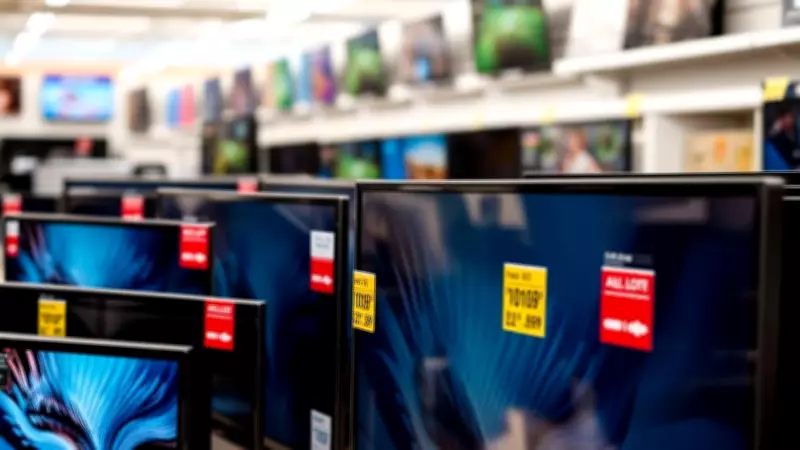
In response to these pressures, manufacturers have adopted diverse pricing approaches. Some are absorbing a portion of the cost hikes, while others are refraining from fully passing them on to consumers in an effort to maintain their foothold in India's highly competitive TV market. However, the escalating price environment is starting to influence buyer behavior, with consumers delaying purchases and showing early signs of downtrading—opting for smaller screen sizes to manage budgets.
Avneet Singh Marwah, Director and CEO of Super Plastronics Pvt Ltd (SPPL), which holds brand licences for Thomson, Kodak, and Blaupunkt, highlighted this shift. He noted, "There will be a change in TV screen size preferences. For instance, a consumer eyeing a 55-inch model might now choose a 50-inch one, and those considering 65-inch sets are settling for 55-inch versions." Marwah added that prices have risen significantly over the past six months, with entry-level 32-inch televisions now selling at approximately Rs 11,000, up from around Rs 9,000 previously.

Role of Financing in Sustaining Demand
Despite the demand pressures, financing options like equated monthly instalments (EMIs) are providing some market support. NS Satish, President of Haier India, emphasized that instalment-based purchases are helping sustain demand, particularly for larger screens. "Almost 50 per cent of our business occurs on EMI," he stated, explaining that a price increase of about Rs 5,000 translates to just a few extra monthly payments. "With EMI, an additional hike of around Rs 5,000 means only three more instalments."
Satish observed that while some consumers continue to upgrade to bigger televisions by opting for higher EMIs, others are shifting towards smaller screen sizes due to affordability concerns. He also mentioned that companies have not fully passed on cost increases, with current pricing levels nearing pre-GST reform figures.
Market Outlook and Analyst Insights
According to Counterpoint Research, India's television market is anticipated to experience a demand slowdown, with shipments projected to decline 5–6 per cent in the first quarter and 3–5 per cent in the second quarter of 2026. This pressure stems from rising RAM costs, freight disruptions linked to geopolitical issues, and the impact of rupee depreciation on import-related expenses.
Anshika Jain, Principal Analyst at Counterpoint Research, noted that brands with integrated supply chains, such as Samsung, are better equipped to manage these cost challenges. She added that consumers are currently prioritizing essential spending and postponing discretionary purchases like televisions. However, Jain ruled out a widespread downgrade trend in screen sizes, pointing out that while some downtrading is evident, the premium segment—especially models 45 inches and above—remains stable, supported by EMI options that enhance affordability.
Jain also suggested that the market could see a modest recovery during the festive season in the latter half of the year. Over the longer term, larger screen sizes of 55 inches and above are expected to continue gaining traction as upgrade cycles gradually evolve.