India Strengthening Its Role as Reliable Semiconductor Supplier in Global Market: PM Modi
Prime Minister Narendra Modi has emphasized India's growing significance as a dependable semiconductor supplier within the fiercely competitive global marketplace. This declaration comes at a crucial juncture when technological advancements are reshaping industries worldwide, and nations are vying for dominance in critical supply chains.
A Moment of National Pride in Technological Advancement
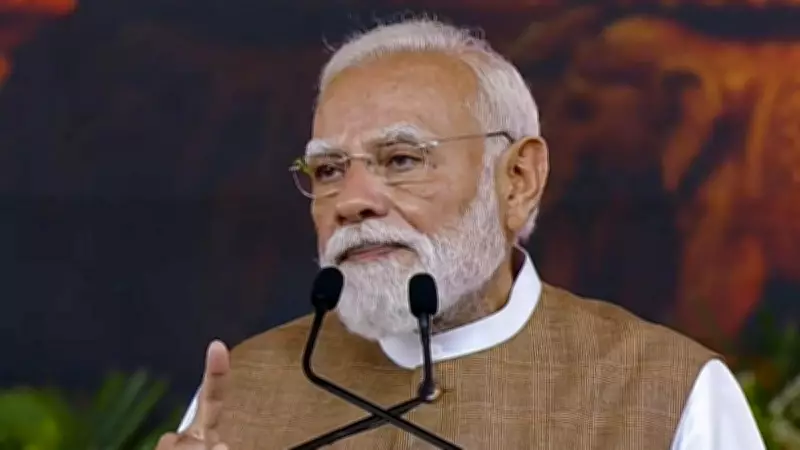
In a recent address, PM Modi described the development as a moment of immense pride for the entire nation. He specifically highlighted the achievement of an Indian company successfully joining the intricate and highly specialized global semiconductor supply chain. This milestone represents more than just an economic accomplishment; it symbolizes India's strategic entry into a sector that is fundamental to modern electronics, from smartphones to automobiles and defense systems.
The Prime Minister articulated that this is not merely a period of intense economic competition but a transformative era where nations have the opportunity to actively shape the future technological landscape. By securing a position in the semiconductor industry, India is positioning itself to influence global tech trends, drive innovation, and ensure greater self-reliance in critical components.

Strategic Implications for India's Economic and Technological Future
The integration of an Indian entity into the global semiconductor supply chain carries profound strategic implications. Semiconductors are the backbone of the digital economy, and their production has been concentrated in a few regions, leading to vulnerabilities and supply disruptions. India's entry helps diversify this supply chain, enhancing global resilience.
This development aligns with broader governmental initiatives aimed at boosting domestic manufacturing under schemes like 'Make in India' and the Production Linked Incentive (PLI) scheme for electronics and semiconductors. It is expected to attract further investments, create high-skilled jobs, and foster a robust ecosystem for research and development in advanced technologies.
Key benefits of this strategic move include:
- Reducing dependency on imports and strengthening national security.
- Catalyzing growth in related sectors such as electronics manufacturing, automotive, and telecommunications.
- Positioning India as a key player in the global value chain, potentially leading to increased exports and foreign exchange earnings.
Global Context and Competitive Dynamics
The global semiconductor market is characterized by intense competition, with major players like the United States, Taiwan, South Korea, and China dominating production. India's foray into this arena is seen as a strategic maneuver to capitalize on shifting geopolitical dynamics and supply chain realignments post-pandemic.
PM Modi's remarks underscore a vision where India not only participates but also contributes significantly to setting global standards and driving innovation in semiconductor technology. This ambition is supported by ongoing efforts to develop semiconductor fabrication plants (fabs), design capabilities, and a skilled workforce through educational reforms and industry-academia collaborations.
As nations increasingly recognize the strategic importance of semiconductors for economic sovereignty and technological leadership, India's proactive steps are poised to enhance its stature on the world stage, fostering partnerships and collaborations that could redefine global tech alliances in the coming decades.