India Overhauls Smartphone Manufacturing Incentive Programme to Focus on Exports and Local Components
The Indian government is reportedly preparing a significant revamp of its flagship Production-Linked Incentive (PLI) scheme for smartphones, marking a strategic shift in its industrial policy. According to a Bloomberg report, the revamped programme will, for the first time, tie government subsidies directly to exports and the use of locally produced components, moving away from the previous emphasis on domestic production volumes alone.
Key Changes in the Revamped PLI Scheme
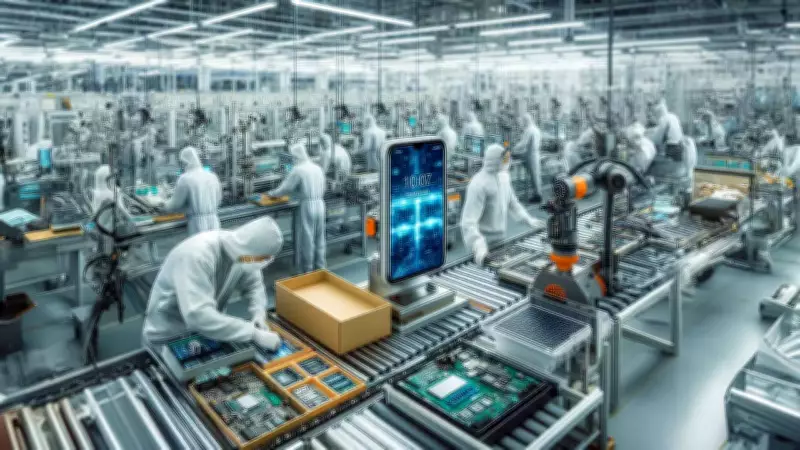
Under the original PLI scheme, launched to boost domestic smartphone assembly, nearly every smartphone sold in India is now assembled locally. Government officials believe this initial goal has been largely achieved, with the programme fulfilling its aim of meeting domestic demand. The focus is now shifting towards elevating India's position in the global manufacturing value chain, beyond what has been described as "screwdriver assembly"—where components are imported and merely assembled in the country.
The new proposal introduces a tiered incentive structure:

- Companies will be rewarded not only for production volumes but also for export quantities and the proportion of locally sourced components in each device.
- Higher subsidies will be offered for devices with greater local content, such as camera modules, display assemblies, and other sub-parts sourced from Indian suppliers.
- Electronic devices that meet the highest localisation thresholds and are shipped overseas could receive the maximum available subsidy.
The exact policy design, size of incentives, and total budget are still being finalised and may change during inter-ministerial consultations. The revamped scheme is set to replace the current version, which expires on March 31.
Benefits for Major Players Like Apple and Samsung
This overhaul is expected to particularly benefit global giants such as Apple and Samsung. Apple's contract manufacturers, primarily Foxconn and Tata Electronics, already account for roughly three-quarters of India's total smartphone exports, positioning Apple as the single biggest driver of India's emergence as a global handset export hub. Reports indicate that Apple aims to ship the majority of US-bound iPhones from India by the end of this year, a move that would further solidify India's role as a top source for smartphones in the American market.
Samsung, a significant beneficiary of the existing PLI programme, is also anticipated to feature prominently under the new scheme. The government is leveraging the revamped incentives to encourage Chinese smartphone brands, including Oppo, Vivo, and Xiaomi, to expand beyond manufacturing for the domestic market and increase their export activities and local component usage.
Strategic Implications for India's Manufacturing Sector
The shift in the PLI scheme reflects a broader strategy to transform India from a mere assembly hub to a comprehensive manufacturing powerhouse. By incentivising exports and local component production, the government aims to enhance India's competitiveness in the global electronics market, create more high-value jobs, and reduce dependency on imports. This move aligns with long-term goals of boosting economic growth and establishing India as a key player in the international supply chain for smartphones and other electronic devices.