India-Australia Research Pioneers Partial Coal Replacement with Farm Waste for Green Steel
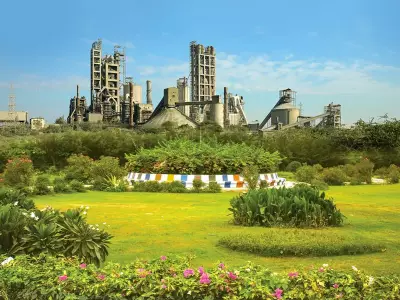
A groundbreaking joint research initiative between India and Australia has successfully developed a method to partially replace coal in steelmaking with agricultural waste, marking a significant step toward greener and more sustainable steel production. This innovation aims to reduce carbon emissions and transform the steel industry by utilizing renewable resources.
Innovative Approach to Sustainable Steelmaking
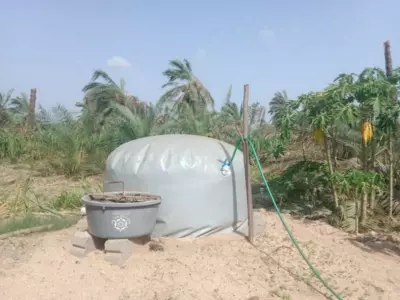
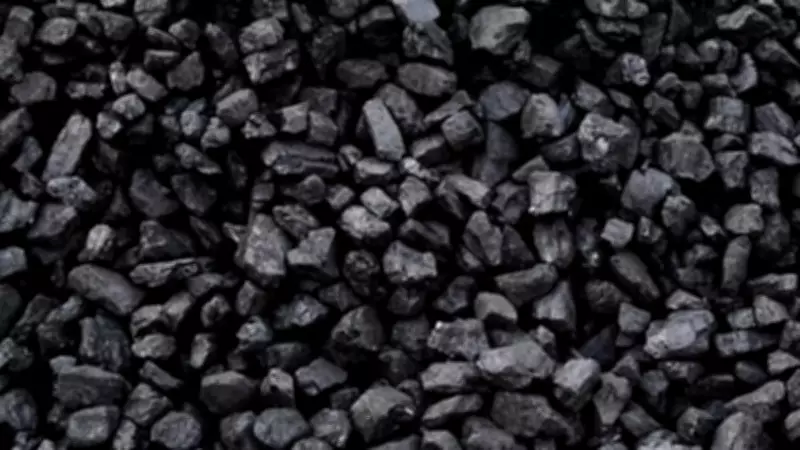
The research focuses on using agricultural residues, such as crop stalks and husks, as a substitute for a portion of the coal traditionally used in blast furnaces. This process not only cuts down on fossil fuel consumption but also helps manage farm waste, which is often burned, contributing to air pollution. By integrating these waste materials into steel production, the method promotes a circular economy and reduces environmental impact.
Collaborative Efforts and Technological Advancements
The project is a result of collaboration between Indian and Australian institutions, leveraging expertise in metallurgy, renewable energy, and waste management. Researchers have optimized the use of biomass to maintain the high temperatures required for steelmaking while ensuring the quality and strength of the final product. This technological advancement could pave the way for large-scale adoption in the steel industry, which is a major contributor to global carbon emissions.

Environmental and Economic Benefits
The partial replacement of coal with agricultural waste offers multiple benefits:
- Reduced Carbon Footprint: By using biomass, the process lowers greenhouse gas emissions, aligning with global climate goals.
- Waste Management: It provides a productive use for agricultural residues, reducing open burning and its associated health hazards.
- Cost-Effectiveness: Utilizing locally available farm waste can lower production costs and enhance energy security.
- Sustainability: This approach supports the development of green steel, meeting increasing demand for eco-friendly materials in construction and manufacturing.
Future Prospects and Industry Impact
If scaled up, this innovation could revolutionize the steel sector, particularly in countries like India and Australia with abundant agricultural resources. It aligns with government initiatives to promote clean energy and reduce industrial pollution. Further research is ongoing to improve efficiency and explore full-scale implementation, potentially setting a new standard for sustainable steel production worldwide.