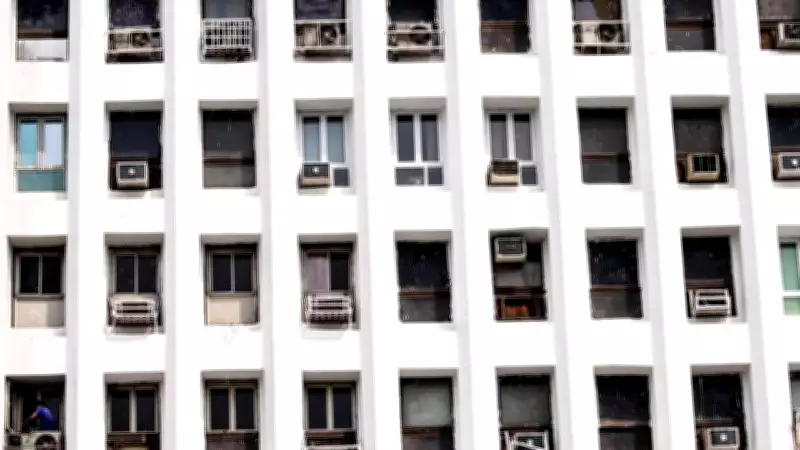
India's Air-Conditioner Market Confronts Summer Price Pressures
As the summer season approaches, India's room air-conditioner market is experiencing significant price pressures, despite manufacturers expressing confidence in long-term growth prospects. Companies such as Blue Star have announced further price increases, attributing them to rising commodity costs, stricter energy-efficiency labeling norms implemented in January 2026, and ongoing global economic challenges.
Drivers of Price Hikes and Industry Impact
B Thiagarajan, managing director of Blue Star, highlighted the unprecedented surge in commodity prices, which has contributed to the current pricing environment. Industry executives estimate that higher input costs have added approximately 8-9% to material expenses, while the transition to more energy-efficient models is pushing prices up by an additional 5-8%. Combined, these factors have resulted in a 13% increase in air-conditioner prices, according to Thiagarajan.
However, a reduction in Goods and Services Tax (GST) has mitigated some of this impact, with consumers likely to face an effective price rise of about 5% compared to the previous year. Companies have already implemented part of these increases, with more adjustments expected in phases throughout the season. Thiagarajan noted, "A large part of the increase is already behind us. The balance will be taken as the season progresses," indicating a staggered pricing strategy to manage market dynamics.

Responses from Other Key Players
Other major manufacturers, including Godrej Enterprises Group, have also raised prices in response to these challenges. Kamal Nandi, business head of the appliances business at Godrej, reported that despite a challenging year for the air-conditioner industry, which saw an overall decline in sales, Godrej ACs achieved significant growth. The company has increased its air-conditioner prices by nearly 10% to address cost pressures.
At Hisense India, Pankaj Rana, CEO, explained that recent price hikes are primarily driven by sustained input cost pressures. He stated, "The recent increase in AC prices is primarily driven by a sharp rise in input costs, including raw materials, logistics, and broader supply chain disruptions." Rana added that companies have ensured adequate inventory and a strong on-ground presence to meet anticipated summer demand, while any future price revisions will depend on evolving input costs and competitive responses, with potential increases ranging from 7-10%.
Market Challenges and Long-Term Outlook
Manufacturers are navigating a delicate balance between protecting profit margins and sustaining demand during the peak summer months. In addition to commodity inflation, factors such as elevated copper prices, a weaker rupee, and higher freight and component costs continue to strain profitability. Demand has been volatile, influenced by erratic weather patterns and unseasonal rains that impacted peak-season sales last year.
Thiagarajan pointed out that 2025 was a weak summer for the industry, with volumes likely declining by 5-7.5% compared to the previous fiscal year. Despite these short-term challenges, the long-term outlook remains robust. The domestic air-conditioner market, currently estimated at 14 million units, is projected to nearly double to approximately 30 million units by FY30. This growth is expected to be driven by rising incomes, increasing heat levels, and deeper market penetration in smaller towns and rural areas.
Overall, while immediate price pressures pose challenges, the industry remains optimistic about future expansion and adaptation to evolving consumer needs and regulatory standards.