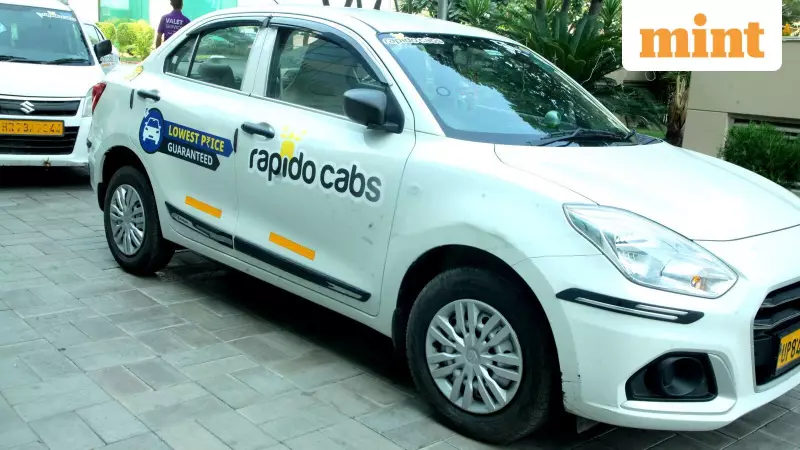
Taxi Segment Emerges as Key Growth Area for Indian Carmakers
India's passenger vehicle market is witnessing a significant shift. The taxi segment has become a major growth driver, attracting intense competition from both domestic and international automakers. Passenger vehicle registrations for taxi use have nearly tripled over the past four years, creating a lucrative new battlefield in the automotive industry.
Explosive Growth in Taxi Registrations
Government data reveals remarkable expansion in this segment. In 2025, approximately 312,665 vehicles registered for taxi services across India. This figure represents a solid 9% increase from the previous year. The growth becomes even more striking when compared to 2022 numbers, when total taxi registrations stood at just 114,535 units.
This surge dramatically outpaces overall passenger vehicle sales growth. While taxi registrations soared, total passenger vehicle retail sales reached about 4.4 million units in 2025, growing at roughly one-tenth the pace of the taxi segment's expansion.

Maruti Suzuki Commands the Market
Maruti Suzuki continues to dominate India's taxi landscape with overwhelming market presence. The company captured about 225,737 of the total 312,665 taxi registrations in 2025, giving it approximately 72% market share in this segment.
The automaker offers its Tour range specifically designed for commercial use. This lineup includes popular models like the Dzire, Ertiga, Wagon R, and Eeco, which have become familiar sights on Indian roads as taxis.
Hyundai Makes Strategic Push
Hyundai Motor India is aggressively targeting the taxi market with dedicated offerings. The company launched its Prime Taxi range in December, featuring both sedan and hatchback models equipped with features tailored for commercial operations.
Tarun Garg, Hyundai's managing director and chief executive, emphasized the segment's importance. "The taxi segment in India has witnessed a remarkable transformation," Garg stated. "This momentum is expected to continue, with the industry poised for further growth in 2026."
Hyundai registered 32,579 vehicles for taxi services in 2025, positioning itself as a significant player behind market leader Maruti Suzuki.
VinFast Enters the Fray
Vietnamese automaker VinFast represents the newest competitor in India's taxi market. The company plans to leverage its experience from other markets where it has successfully operated taxi fleets.
Tapan Ghosh, chief executive at VinFast India, highlighted the commercial mobility opportunity. "The commercial mobility segment, particularly the seven-seater EV category, represents a significant growth opportunity," Ghosh explained.
VinFast intends to introduce a seven-seater MPV specifically designed for fleet operations. The company will partner with Green and Smart Mobility JSC, an affiliate of its parent VinGroup that operates electric taxi fleets using VinFast vehicles in Vietnam.
Other Players and Market Dynamics
Mahindra registered 22,328 vehicles for taxi services in 2025 but has not announced dedicated taxi models. Tata Motors Passenger Vehicles recorded approximately 4,000 registrations and offers its XPres range of electric vehicles for fleet operators.
Industry experts note that automakers face a delicate balance when targeting the taxi segment. Vehicles that become too closely associated with taxi use often lose appeal among private buyers who prefer cars perceived as personal rather than commercial.
Cab Aggregators Drive Demand
The rapid growth of ride-hailing platforms has fundamentally transformed the taxi market. Services like Uber, Ola, and Rapido have created unprecedented demand for vehicles suitable for commercial passenger transport.
Uber reported substantial growth in 2025, with total trips spanning over 11.6 billion kilometers, representing a 26.5% increase. Rapido has seen particularly dramatic expansion since entering the cab segment in December 2023, with revenue more than doubling from ₹443 crore in financial year 2023 to ₹909 crore in financial year 2025.

Subhabrata Sengupta, partner at Avalon Consulting, observed the expanding taxi ecosystem. "Most OEMs now have taxi models and service plans as smaller apps are also creating new markets," Sengupta noted, referring to regional operators like BlaBla and FastTrack Cabs that complement the major aggregators.
The convergence of automotive manufacturing and mobility services continues to reshape India's transportation landscape. As taxi registrations maintain their upward trajectory, carmakers are strategically positioning themselves to capture this growing segment while navigating the complex dynamics between commercial and private vehicle markets.