

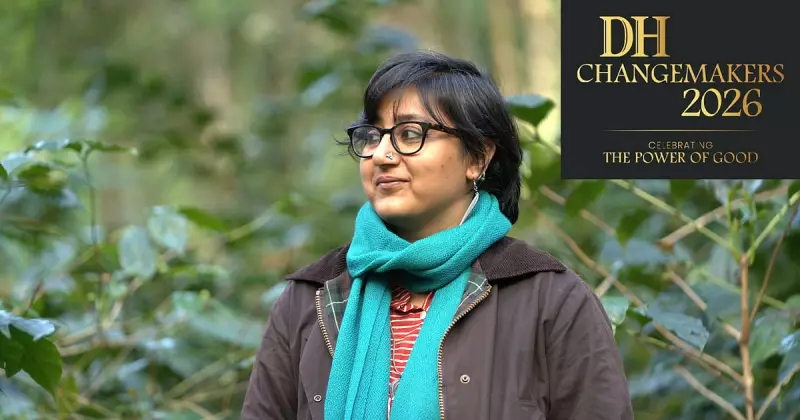
In the lush landscapes of the B R Hills in Karnataka, a quiet revolution is brewing, one cup of coffee at a time. Spearheaded by social entrepreneur Arshiya Bose, a transformative initiative is reshaping the lives of small coffee growers, focusing on fair economics, gender inclusion, and ecological harmony.
The Blend for a Better Future
At the heart of this movement is a comprehensive model that addresses multiple challenges faced by smallholder farmers. Arshiya Bose's approach is not just about producing coffee; it's about cultivating equity and resilience. The project ensures fair pay for the growers, directly impacting household incomes and providing economic stability that was previously elusive.
Concurrently, a strong emphasis on capacity-building equips these farmers with the skills and knowledge needed to improve yield, quality, and sustainable practices. This empowerment enables them to move beyond subsistence farming towards a more prosperous and secure future.

Women, Biodiversity, and Diverse Beans
A pivotal aspect of this change is the active enhancement of women’s participation in the coffee value chain. The initiative consciously creates spaces and opportunities for women, transforming their role from supportive labour to decision-makers and entrepreneurs within their communities. This shift is crucial for social development and equitable growth.
On the agricultural front, the project champions diverse coffee varieties and promotes biodiversity-friendly farms. Moving away from monoculture, this method encourages planting a variety of coffee strains and maintaining native shade trees. This practice not only enriches the soil and ecosystem but also produces unique coffee blends while safeguarding the region's rich biodiversity.
Transforming Livelihoods and Landscapes
The cumulative impact of Arshiya Bose's work is profound. Livelihoods of small growers in the B R Hills are being transformed through a more just and transparent supply chain. The increased participation of women is fostering greater social equity and community well-being.
Furthermore, the push for sustainable production ensures that economic gain does not come at an environmental cost. The biodiversity-friendly model proves that agriculture can coexist with and even support natural ecosystems, setting a benchmark for sustainable production in the Indian coffee sector.
As reported, this story of change was highlighted on 31 December 2025, marking a significant milestone in a continuing journey. The initiative stands as a powerful example of how socially-conscious enterprise can brew a potent blend of community empowerment, environmental stewardship, and economic viability, creating a legacy that is felt far beyond the coffee fields.






