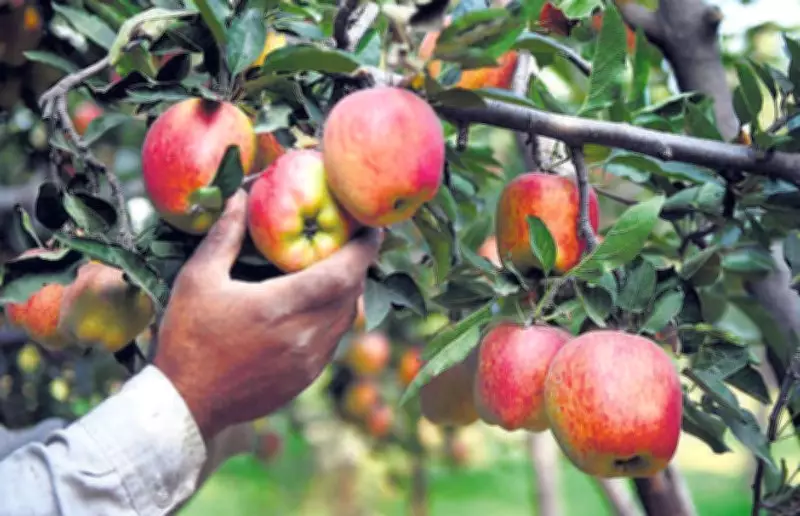
Himachal Apple Farmers Rally Against Central Government's Import Decision
Apple farmers in the picturesque state of Himachal Pradesh have launched a significant protest against a recent decision by the central government. The controversy centers on the government's move to import apples from the United States at a rate of Rs 80 per kilogram. This policy has sparked widespread concern among local growers, who fear it could severely undermine their market position and economic stability.
Economic Impact on Local Agriculture
The decision to import apples at such a competitive price point is seen as a direct threat to the livelihoods of thousands of farmers in Himachal Pradesh. The region is renowned for its high-quality apple production, which forms the backbone of the local agricultural economy. Farmers argue that the influx of cheaper imported apples will lead to a sharp decline in domestic prices, making it difficult for them to cover production costs and sustain their operations.
Local growers have expressed deep frustration, highlighting that this move could result in significant financial losses and potentially force many out of business. The apple industry in Himachal Pradesh is not just a source of income but a cultural and economic pillar for numerous communities.

Protest Actions and Demands
In response to the government's decision, apple farmers have organized protests and rallies across the state. They are calling for an immediate reversal of the import policy, urging authorities to prioritize domestic produce and support local agriculture. The farmers' demands include:
- Halting the import of apples from the US at the current rate.
- Implementing measures to protect and promote indigenous apple varieties.
- Providing financial assistance and subsidies to offset potential market disruptions.
The protests have gained momentum, with farmers' associations and agricultural unions joining forces to amplify their voice. They argue that such import decisions should consider the long-term impact on rural economies and food security in India.
Government's Stance and Broader Implications
While the central government has not yet issued a detailed response to the protests, the decision is part of broader trade policies aimed at managing supply and demand. However, critics point out that this approach may overlook the specific challenges faced by Indian farmers, particularly in regions like Himachal Pradesh where apple cultivation is highly sensitive to market fluctuations.
The situation raises important questions about balancing international trade with domestic agricultural support. As the protests continue, stakeholders are watching closely to see how the government addresses the concerns of apple farmers and whether adjustments will be made to the import strategy.