Fuel Crisis Erupts in Haryana as Nayara Energy Price Hike Sparks Pump Protests
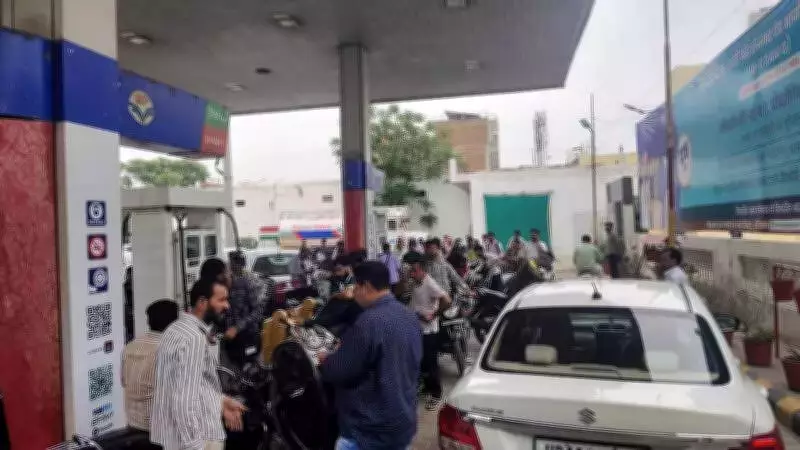
A sudden price increase by India's largest private fuel retailer, Nayara Energy, has triggered a significant disruption in Haryana, with petrol pumps in the districts of Hisar, Fatehabad, and Sirsa refusing to sell petrol and diesel on Thursday. This move led to widespread panic among motorists, resulting in long queues at other operational pumps as word of the refusal spread rapidly.
Panic Buying and Allegations of Hoarding Emerge
The disruption comes amid recent public concerns over domestic gas and LPG supply, adding to heightened anxiety among consumers. Several petrol pump operators allegedly cited "stock-out" as the reason for halting fuel sales following the price hike, prompting suspicions of deliberate withholding of stocks. Serious allegations have surfaced that some operators may have held back fuel procured at lower rates in anticipation of higher profits after the revised prices took effect.
This alleged hoarding and potential black marketing caused considerable inconvenience to the public and sparked fears of a wider disruption in petrol and diesel supply across the region. The situation escalated quickly, with motorists rushing to fill their tanks, exacerbating the chaos at fuel stations.

Authorities Respond to the Crisis
The administration has taken cognisance of the matter and sought explanations from petrol pump operators. Sirsa district food, civil supplies and consumer affairs controller Harveer Singh addressed the public, stating that there is adequate availability of domestic gas, CNG, petrol, and diesel in the district. He urged citizens not to panic or believe rumours, maintaining that supply remains normal.
Singh also directed operators not to charge above prescribed rates and warned of strict action against any violators. This response aims to curb any unethical practices and restore order in the fuel market.
Industry Perspective on the Price Hike
Rajkumar Salemgarh, president of the All Haryana Petrol Pump Association, provided context to the situation. He noted that Nayara Energy operates only 50-60 pumps in Haryana and had raised its prices, while other companies are unlikely to follow immediately. Salemgarh suggested that apprehensions over price fluctuations may have led to reduced supply at some outlets, but he maintained that there is no actual shortage of petrol and diesel at present.
This perspective highlights the localized nature of the crisis, primarily driven by Nayara Energy's pricing strategy rather than a broader supply issue. However, the incident underscores the vulnerability of consumers to sudden market changes and the potential for panic in such scenarios.
The fuel crisis in Haryana serves as a stark reminder of the delicate balance in energy supply chains and the impact of corporate decisions on everyday life. As authorities monitor the situation, the public remains on edge, hoping for a swift resolution to avoid further disruptions.