Gurgaon's Narsingpur to Receive Major Drainage Overhaul to Alleviate Expressway Flooding
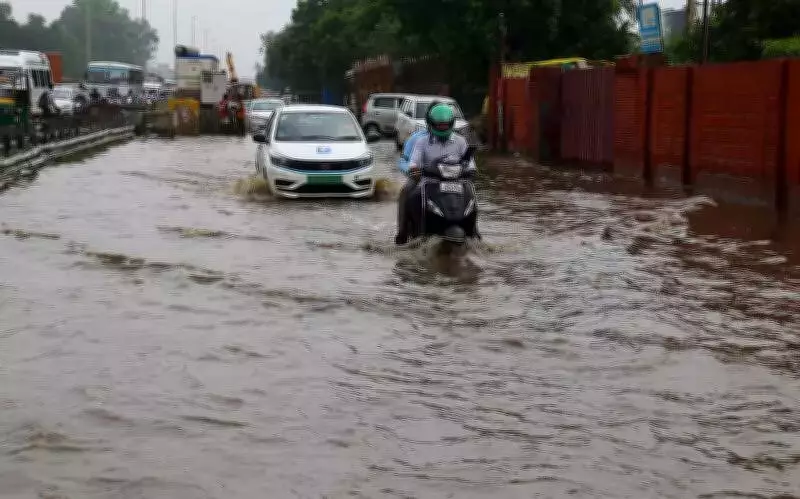
In a significant move to tackle persistent waterlogging issues, the Haryana State Industrial and Infrastructure Development Corporation (HSIIDC) has announced a project to build a surface drain along Narsingpur on the Delhi-Gurgaon Expressway. This initiative, estimated at approximately Rs 7 crore, aims to provide long-term relief from chronic flooding during heavy rains, which has plagued the area for years.
Project Details and Timeline
The project will involve the construction of a 1.2-kilometer reinforced cement concrete (RCC) drain in its first phase. HSIIDC has already floated tenders and plans to commence work next month. However, residents should not expect immediate relief, as the construction is projected to take around 12 months to complete once the contract is awarded. The drain is designed to channel rainwater accumulating along the Delhi–Jaipur carriageway and divert it towards the Badshahpur drain through a culvert.
In addition to the drain, the project includes widening the service road and adding a 15-meter lane to ease traffic movement. This is crucial because heavy downpours often submerge the low-lying stretch, forcing pedestrians to wade through knee-deep water and causing vehicles to crawl, resulting in long tailbacks.

Collaboration with NHAI and Design Modifications
While HSIIDC will handle the drain construction, the National Highways Authority of India (NHAI) is responsible for building the culvert required to carry water across the expressway. The culvert design initially faced objections from NHAI, which rejected a proposal by the Gurugram Metropolitan Development Authority (GMDA) due to serious design flaws and failure to meet safety guidelines. GMDA had suggested laying three piped culverts using excavation methods, raising concerns about traffic disruption on NH8.
To address these issues, GMDA has modified the design to incorporate the box-pushing technique, a method that allows for underground construction without blocking traffic above. A GMDA official stated, "NHAI has sought adequate cushioning to facilitate box pushing, ensuring the culvert can be built without affecting expressway traffic. NHAI will now decide on the execution, as the culvert construction falls under their jurisdiction."
Parallel Efforts and Past Interventions
In parallel, GMDA is executing another drainage project to carry stormwater from Narsingpur to the Badshahpur drain. This permanent RCC drain, estimated at Rs 5 crore, was supposed to be completed by August this year, but officials are striving to finish it before the monsoon season begins.
Last year, GMDA created a 750-meter-long temporary drain to divert rainwater, offering only partial relief as waterlogging continued, especially on the Delhi–Jaipur side. Over the years, multiple interventions by civic agencies—such as laying pipelines, installing pumping machinery, and constructing barriers—have failed to resolve the drainage bottleneck, highlighting the need for this comprehensive solution.
This project represents a critical step in improving infrastructure and addressing the longstanding waterlogging woes in Gurgaon, promising better mobility and safety for commuters and residents alike.