Gujarat Implements 50% Industrial Gas Reduction Amid Regional Tensions
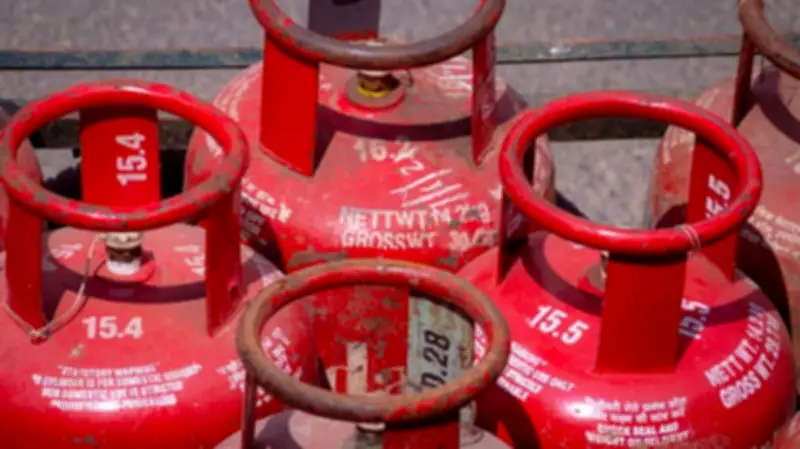
In response to escalating tensions in West Asia, the state government of Gujarat has announced a significant 50% reduction in industrial gas consumption. This decisive measure aims to prioritize and safeguard domestic LPG supply for households across the state. The restrictions, which took effect immediately, target specific industrial applications of gas to ensure that residential cooking gas needs remain fully met without interruption.
Strategic Prioritization of Domestic LPG Supply
The government's move involves placing strict limitations on certain industrial uses of gas, redirecting resources to maintain a steady and reliable flow of LPG for domestic consumers. Officials have confirmed that the domestic LPG supply chain remains completely unaffected, with no anticipated shortages or disruptions for households. This strategic prioritization underscores the state's commitment to protecting essential services for its residents during periods of geopolitical instability.
Key aspects of the new policy include:

- A mandatory 50% cut in gas usage for designated industrial sectors.
- Explicit exemptions for critical industries and emergency services.
- Continuous monitoring of LPG distribution networks to prevent any supply gaps.
- Regular updates to the public regarding gas availability and pricing.
Stable Cooking Gas Prices Amid Global Uncertainty
Despite the volatile situation in West Asia, particularly around the strategic Strait of Hormuz, cooking gas prices in Gujarat have remained stable. The state government, in coordination with central authorities, has implemented measures to insulate consumers from potential price shocks. This stability is crucial for maintaining household budgets and ensuring that families can access affordable cooking fuel without financial strain.
The geopolitical context of this decision is significant, as West Asia is a major hub for global energy exports. Conflicts in the region, including tensions involving Saudi Arabia and other key players, have historically impacted energy supplies worldwide. Gujarat's proactive approach serves as a model for regional energy security management.
Broader Implications for Industry and Economy
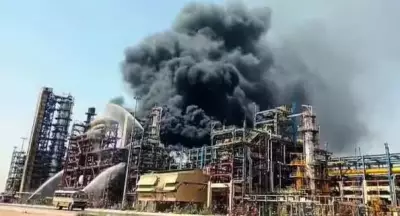
The 50% reduction in industrial gas use is expected to have short-term impacts on certain manufacturing and production sectors within Gujarat. However, state officials emphasize that these measures are temporary and designed to balance industrial needs with public welfare. Industries affected by the restrictions are being advised to explore alternative energy sources or adjust production schedules to minimize economic disruption.
Looking ahead, the state plans to:
- Assess the duration of restrictions based on developments in West Asia.
- Provide support to industries transitioning to other energy options.
- Enhance gas storage and distribution infrastructure for future resilience.
- Collaborate with national agencies to secure long-term energy supplies.
This policy reflects Gujarat's agile response to external challenges, ensuring that domestic consumers are shielded from the direct effects of international conflicts while maintaining industrial functionality as much as possible.