Government Announces Comprehensive Revival Package for India's Tea Industry
The Central government is preparing to launch a significant revival package for the nation's tea industry, which has been struggling with challenges like climate change and ageing plantations. This initiative aims to rejuvenate the sector and enhance its global competitiveness.
Focus on Quality and Export Growth Through EU Trade Agreement
Union Minister of State for Commerce and Industries, Jitin Prasad, revealed the plans during a visit to the Danguajhar tea estate near Jalpaiguri. He emphasized that the package would prioritize producing high-quality tea to capitalize on the free trade agreement with the European Union, thereby boosting exports to European markets.
"The Centre is fully aware of the issues facing the tea industry," Prasad stated. "A comprehensive package will be announced shortly, focusing on rejuvenation and quality improvement to leverage the EU free trade agreement and increase exports." He added that the tea sector remains a top priority for his ministry.

Addressing Critical Challenges in Tea Production
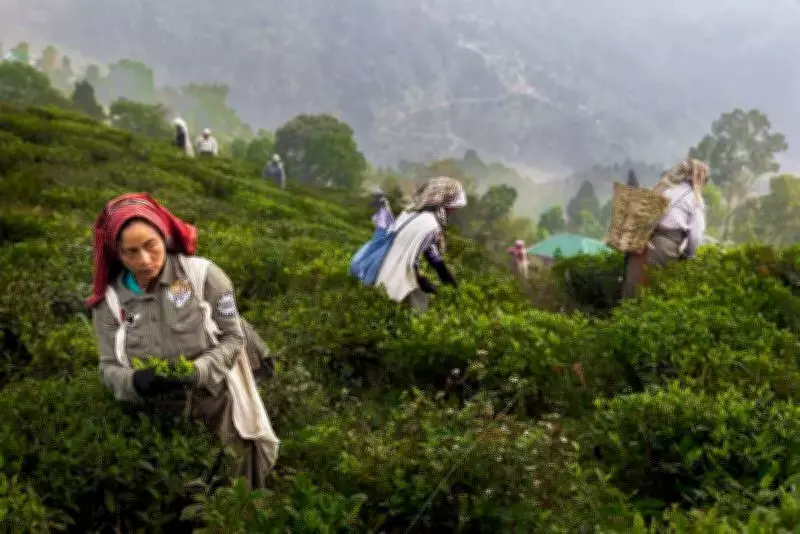
India's tea industry, which includes 765 estates in Assam employing 730,000 workers and 303 estates in Bengal with over 300,000 workers, faces multiple hurdles. PK Bhattacharjee, Secretary General of the Tea Association of India, highlighted key factors:
- Diminishing crop yields due to climate change impacts.
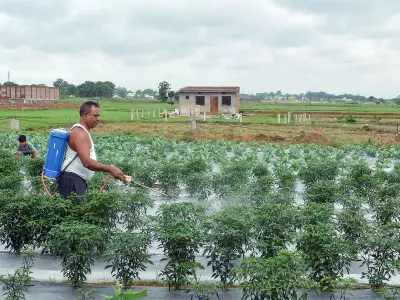
- Severe pest infestations leading to increased chemical use, constrained by FSSAI regulations.
- Ageing plantations affecting productivity and sustainability.
These issues have collectively contributed to subdued production growth, necessitating urgent intervention. Bengal alone also hosts more than 60,000 small tea gardens, underscoring the sector's extensive reach and economic importance.
Strategic Measures for Long-Term Sustainability
The upcoming package is expected to include measures for plantation rejuvenation, pest management, and adaptation to climate change. By improving quality standards, the government aims to not only revive domestic production but also strengthen India's position in the international tea market, particularly through enhanced access to the EU under the free trade agreement.
This move signals a proactive approach to supporting one of India's key agricultural sectors, ensuring its resilience and growth in the face of evolving global and environmental challenges.