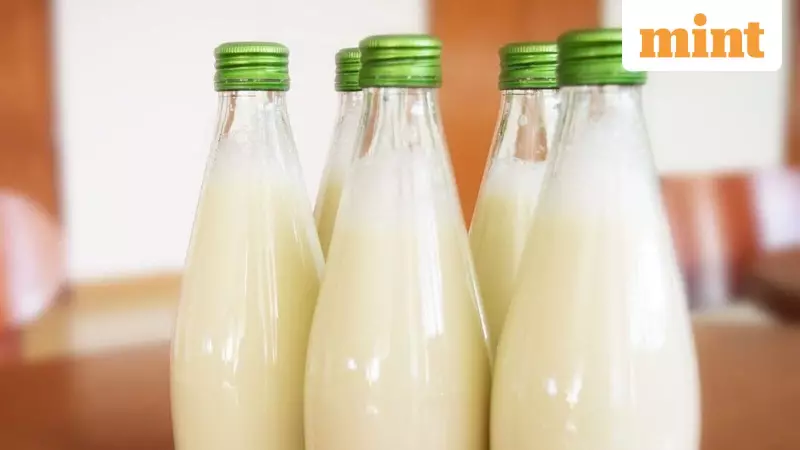
A major enforcement drive against adulterated milk, combined with a growing consumer shift towards trustworthy, farm-fresh food, is transforming the dairy landscape in India, the world's largest milk producer. This movement is creating significant opportunities for brands specializing in organic and natural dairy products.
Regulatory Push Meets Consumer Demand
On Tuesday, 18 December 2024, India's Food Safety and Standards Authority of India (FSSAI) directed all states and Union Territories to launch a stringent enforcement drive. The crackdown targets adulterated milk and milk products, including paneer and khoya, mandating enhanced inspections and testing across the dairy value chain. This regulatory action has intensified consumer scrutiny around purity and sourcing.
This development aligns with a clear trend among urban, health-conscious middle-class households. Companies such as Akshayakalpa Organic, Two Brothers Organic Farms, Sid's Farm, and Anveshan, which produce natural or organic milk, ghee, and other derivatives, are positioning themselves as credible alternatives to loose and mass-market dairy. Their pitch hinges on traceable sourcing, controlled farm practices, and minimal processing.

For consumers like Mumbai-based consultant Ananya, the switch was driven by safety concerns. "I started buying farm-branded milk after my daughter fell ill twice," she said, justifying the higher price for the assurance of transparent sourcing and consistent quality.
Investors Bet on Health and Transparency
The sector is witnessing heightened investor interest. Over the past year, several farm-led dairy brands have raised significant growth capital to expand capacity and strengthen logistics.
- In October 2025, Two Brothers Organic Farms raised ₹110 crore in a Series B round led by 360 ONE Asset and others.
- Anveshan raised ₹48 crore in a Series A round led by Wipro Consumer Care Ventures earlier in 2025.
- Akshayakalpa is reportedly in talks to raise ₹350 crore from Temasek's ABC Impact.
- Established players are also entering the fray: Tata Consumer Products acquired Organic India for ~₹1,900 crore in January 2024, and ITC Ltd acquired Sresta (24 Mantra Organic) for ₹472 crore in April 2025.
Despite the buzz, these premium brands currently hold a small share of the vast market. For instance, Akshayakalpa's revenue was ₹285 crore in FY24, while Two Brothers Organic Farms reported ₹108 crore in FY25. In contrast, the domestic dairy industry was valued at about ₹19 trillion in 2024 and is projected to reach ₹57 trillion by 2033.
The Premium Pricing and Scale Challenge
The commitment to quality comes with a significant price tag. Two Brothers sells one litre of A2 Gir Cow-Cultured Ghee for ₹3,370, and Akshayakalpa's ghee is priced at ₹1,429 per litre, compared to ₹650 for a litre of Amul ghee.
Sumit Keshan of Wipro Consumer Care Ventures believes a market exists for these price points. "You have to build on trust... If you have a certain offering and quality, repeat purchases are very high," he noted, citing similar trends in cold-pressed oils.
To justify premiums and ensure scale, companies are deepening farm engagement. Akshayakalpa, which runs 2,700 farms, conducts daily tests for antibiotics and toxins and has opened its farms for consumer visits to build trust. "The cost of producing milk is rising and farmers need to be compensated much better than the industry standards," said founder Shashi Kumar.
Two Brothers is investing in technology for dynamic traceability, allowing consumers to scan a product and see details about the farmer and practices used. Co-founder Satyajit Hange stated that with scale, the intention is to pass on efficiencies and reduce prices over time. The company already derives about 20% of its business from exports to markets like the US and UAE.
Akshali Shah of Parag Milk Foods, which sells the premium 'Pride of Cows' milk at ₹120 per litre, observes that this segment reflects a fundamental shift. The target consumer is a well-informed, quality-conscious individual or family, typically urban professionals and young parents, who see food as an investment in long-term well-being.

The convergence of regulatory action, investor confidence, and evolving consumer preferences is setting the stage for a structural shift in India's dairy sector, where transparency and health credentials are becoming powerful market currencies.