Essential EV Battery Care: Simple Habits to Extend Life and Preserve Range
The adoption of electric vehicles is accelerating across India at a remarkable pace. Rising sales are being driven by significant improvements in charging infrastructure, a broader and more diverse range of available models, and growing consumer confidence in the technology. EVs are no longer niche products; they are increasingly being used as daily commuters and family vehicles in major metropolitan areas as well as smaller towns and cities nationwide.
The Central Concern: Battery Health
As more buyers enter the electric vehicle segment, battery health has emerged as the primary concern for owners and prospective buyers alike. The battery pack remains the single most expensive component of any electric vehicle. Proper maintenance plays an absolutely critical role in preserving the vehicle's driving range, overall performance, and long-term ownership costs. Fortunately, simple, everyday practices can help significantly extend battery life across all types of EVs, from electric scooters and hatchbacks to larger SUVs, offering owners a more reliable and cost-effective ownership experience over many years.
Habits That Protect Your EV Battery
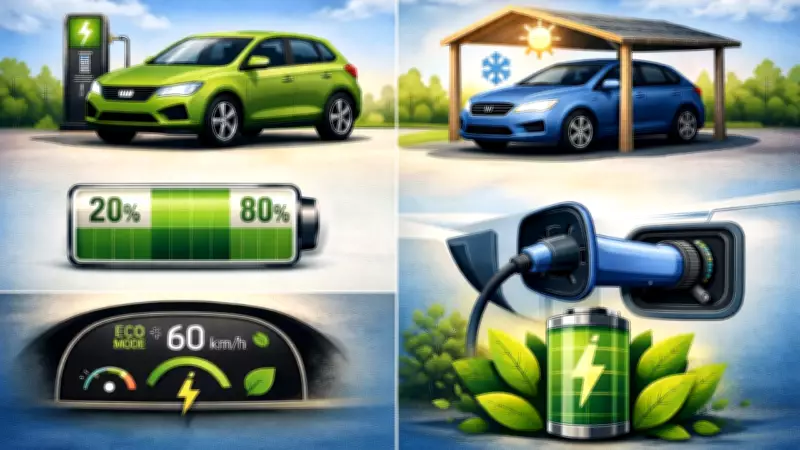
Manage Temperature Exposure: Exposure to extreme heat or cold can disrupt the delicate chemistry of lithium-ion batteries and significantly affect their available range. If you live in one of India's colder northern regions, preconditioning the vehicle while it is still plugged in can help improve range and reduce strain on the battery during the initial drive. Parking inside a garage or in shaded areas whenever possible can also limit temperature-related stress and degradation.

Adopt Smooth Driving Habits: Your driving behavior plays a substantial role in battery longevity. Frequent hard acceleration and sudden braking place additional, intense demand on the battery, causing short bursts of high power draw that can accelerate wear over time. Such aggressive driving can also increase heat generation within the battery pack, which further impacts its efficiency and long-term durability. Smoother, more gradual acceleration and anticipatory braking help reduce this stress on the battery and contribute to better sustained performance.
Optimal Charging Practices
Avoid charging an electric vehicle battery to 100 percent capacity on a regular, daily basis. Maintaining charge levels between 20 percent and 80 percent is widely considered optimal for long-term battery health. Full, or "trickle," charges place added electrochemical stress on the lithium-ion cells. Conversely, deep discharges below 20 percent state of charge can also accelerate degradation by triggering unwanted chemical reactions that gradually reduce the battery's overall capacity and its ability to retain a full charge over its lifetime.
Avoid Extended Inactivity: While range anxiety has led some EV owners to limit usage to short trips, extended periods of vehicle inactivity can paradoxically harm battery health. Leaving an electric vehicle unused for weeks or months may result in gradual self-discharge and a reduction in battery efficiency. If you plan to leave your EV parked for an extended duration, it is advisable to monitor the battery level regularly and recharge it periodically to maintain a moderate state of charge, typically around 50 percent.
Limit DC Fast Charging: While DC fast charging stations offer undeniable convenience for time-pressed users, frequent reliance on them can increase heat and stress on the battery because they deliver high-power direct current directly to the cells. It is generally advised to limit fast charging sessions for occasional long trips and rely more on standard 7.2kW AC chargers for daily needs. These AC chargers use alternating current from the grid and charge the battery at a slower, more controlled and thermally manageable rate, typically over several hours, which is gentler on the battery's long-term health.

Understanding Battery Warranties
Most EV manufacturers in India offer battery warranties ranging from eight to fifteen years. Some even market them as "lifetime" coverage, often with mileage limits of up to 1.2 lakh kilometres. However, it is crucial for owners to understand that this warranty protection applies only if the battery fails within the specified period and the vehicle has been maintained and charged in strict accordance with the manufacturer's published guidelines. Adhering to the best practices outlined above is therefore not just about care; it is also about protecting your warranty coverage and your investment.