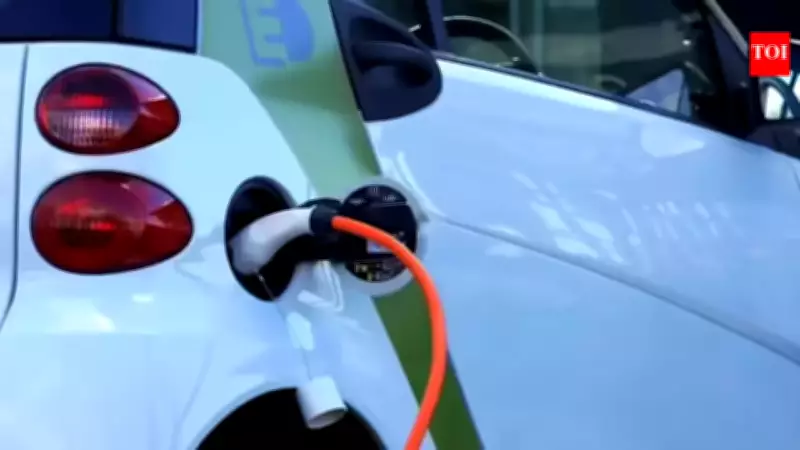
Electric Vehicle Adoption Accelerates Across Urban and Rural India
The landscape of personal transportation in India is undergoing a significant transformation as electric vehicle (EV) adoption gains momentum not only in metropolitan areas but also in smaller cities and towns. This shift is primarily fueled by a combination of government incentives, escalating fuel prices, and the gradual expansion of charging infrastructure. However, prospective buyers must navigate a complex array of benefits and constraints, often encountering practical challenges post-purchase that shape the overall ownership experience.
Cost Advantages Driving Consumer Demand
The most compelling factor propelling EV adoption remains the substantial reduction in operating costs. Electricity proves significantly cheaper than traditional petrol or diesel, with EVs typically costing between Rs 1 to Rs 2 per kilometer compared to Rs 7 to Rs 10 per kilometer for conventional vehicles. For frequent drivers, this translates into meaningful annual savings that accumulate over time.
Maintenance expenses are also notably lower due to the simplified mechanical architecture of electric vehicles. With fewer moving parts, EVs eliminate the need for regular engine oil changes and experience reduced component wear, leading to less frequent service requirements. Additionally, EVs deliver a smoother, quieter driving experience characterized by instant torque, making them particularly well-suited for urban commuting environments.

Government support through various incentives and tax benefits has further stimulated demand, though some state governments are beginning to reassess these policies as adoption rates increase.
Higher Initial Investment Presents Significant Barrier
Despite the compelling long-term savings on running costs, electric vehicles command a premium at the point of purchase. Entry-level electric hatchbacks typically range from Rs 10 to Rs 12 lakh, whereas comparable petrol models are available for Rs 6 to Rs 8 lakh. This substantial price differential shifts the financial burden to the initial acquisition phase.
Buyers generally recover this additional investment over a period of four to six years, depending on their usage patterns and driving frequency. The economic calculation therefore requires careful consideration of both immediate and long-term financial implications.
Charging Infrastructure Development Remains Uneven
While charging networks continue to expand across the country, their distribution remains inconsistent. Urban centers generally enjoy better access to charging facilities, while highways and smaller cities lag behind in infrastructure development.
For residents of apartment complexes without dedicated parking spaces, installing home charging units often presents logistical challenges. Range anxiety persists as a genuine concern among potential buyers, as actual driving distance can vary significantly based on traffic conditions, air conditioning usage, and individual driving styles. Long-distance travel requires meticulous planning that contrasts with the spontaneous refueling convenience of conventional vehicles.
Battery Performance and Resale Value Concerns
Battery degradation over time represents a persistent worry for prospective EV owners. Although most manufacturers provide warranties extending approximately eight years, uncertainties remain regarding long-term performance and eventual replacement costs.
Resale value presents another area of concern. Unlike the established markets for petrol and diesel vehicles, EV resale ecosystems are still developing. Factors including battery health assessment, rapid technological advancements, and evolving policy frameworks collectively influence resale prices, creating uncertainty for buyers considering long-term ownership.
Policy Evolution Introduces Additional Variables
Government support has played a pivotal role in stimulating EV growth, but policy adjustments are beginning to impact ownership economics. The introduction of road taxes in certain states signals a gradual shift toward reducing incentives as adoption increases, potentially altering the cost-benefit equation for consumers.

Ownership experience varies considerably by geographic location. Urban users benefit from superior charging access and service networks, making EVs practical for daily commuting. Conversely, rural and semi-urban users confront limited charging infrastructure and longer travel distances, increasing dependence on public charging facilities. This disparity explains why EV adoption remains predominantly concentrated in urban areas.
Ideal Usage Scenarios and Behavioral Adjustments
Electric vehicles prove most suitable for:
- Daily commuters covering distances between 30 to 80 kilometers
- Urban residents with access to home charging facilities
- Fleet operators and ride-hailing services seeking to optimize operational costs
They remain less appropriate for:
- Frequent highway travelers requiring spontaneous long-distance capability
- Buyers without dedicated parking spaces for charging installation
- Cost-sensitive consumers prioritizing minimal upfront investment
EV ownership necessitates behavioral adaptation, as refueling transitions from a minutes-long process to potentially hours-long charging sessions. Trip planning and energy management become integral aspects of regular use, affecting convenience perceptions. Automakers are addressing these concerns through improved battery ranges, expanded charging partnerships, and innovative ownership models.
India's Evolving Electric Vehicle Landscape
Positive market drivers include:
- Continued policy support at national and state levels
- Persistently rising conventional fuel costs
- Expanding model availability across vehicle segments
Significant challenges persist:
- Infrastructure gaps between urban and rural regions
- Substantial upfront purchase costs
- Limited consumer awareness regarding long-term ownership dynamics
Conclusion: Weighing Benefits Against Practical Realities
Electric vehicle ownership in India presents clear advantages in running costs, maintenance requirements, and driving experience. However, higher purchase prices, infrastructure limitations, and uncertainties surrounding resale value and battery longevity remain substantial considerations. The decision to transition to electric mobility ultimately depends on individual usage patterns, geographic location, and long-term financial calculations. While adoption continues to expand across the country, the transition remains an evolving process where benefits and limitations coexist, requiring informed evaluation by prospective buyers navigating India's dynamic automotive transformation.