Delhi Restaurants Forced to Seek Alternatives as West Asia Conflict Disrupts LPG Supply
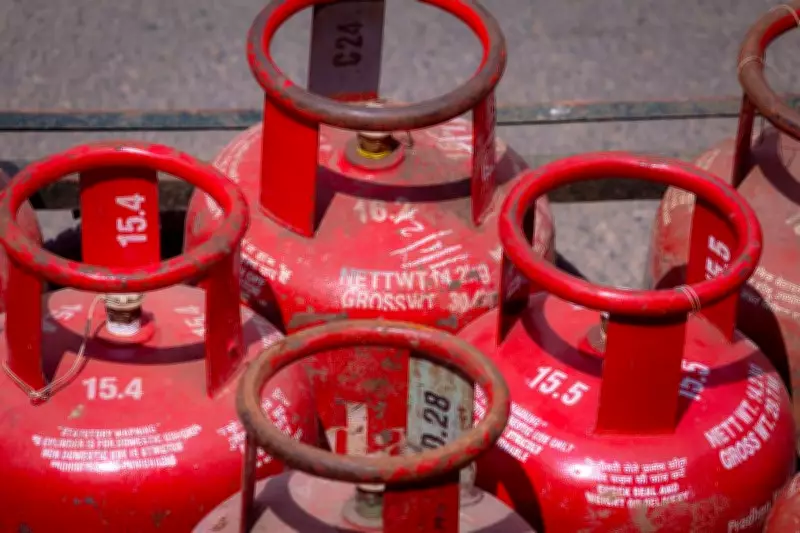
Restaurants across Delhi are scrambling to implement contingency plans as the ongoing conflict in West Asia severely disrupts the supply of liquefied petroleum gas (LPG), a critical resource for cooking and food preparation. This supply chain issue is causing operational challenges and increased costs for the city's vibrant food industry, forcing many establishments to explore alternative energy sources and adjust their business strategies.
Impact of West Asia Conflict on LPG Availability
The conflict in West Asia has led to significant logistical bottlenecks and supply constraints, directly affecting the flow of LPG to Delhi. Many restaurants rely heavily on LPG for daily operations, and the sudden shortage has created uncertainty and disruption. Industry reports indicate that delays in deliveries and sporadic availability are becoming common, with some eateries facing temporary shutdowns or reduced service hours due to the lack of reliable gas supply.
Restaurants Explore Backup Plans and Alternatives
In response to the crisis, Delhi restaurants are actively seeking Plan B options to maintain their operations. This includes shifting to electric stoves, induction cooktops, or other renewable energy sources where feasible. Some larger establishments are considering bulk purchases or securing contracts with multiple suppliers to mitigate risks. However, these alternatives often come with higher upfront costs and may not be viable for smaller, budget-conscious eateries, leading to concerns about long-term sustainability.

Economic and Operational Challenges for the Food Sector
The LPG supply disruption is exacerbating existing economic pressures in Delhi's food industry. Rising costs for alternative energy sources are squeezing profit margins, while operational inefficiencies from adapting to new cooking methods can affect food quality and service speed. Restaurant owners express frustration over the unpredictability, noting that such external factors complicate recovery efforts in a post-pandemic economy. Customers may also face higher menu prices if the situation persists, as businesses pass on increased expenses.
Broader Implications and Future Outlook
This situation highlights the vulnerability of local industries to global geopolitical events. Experts warn that prolonged conflicts in West Asia could lead to sustained supply chain issues, prompting calls for greater energy diversification and resilience in India's urban centers. For now, Delhi restaurants continue to navigate these challenges, with many hoping for a swift resolution to the conflict to restore normalcy. The episode serves as a reminder of the interconnectedness of global markets and the need for adaptive strategies in the face of unforeseen disruptions.