Delhi's Culinary Landscape Crippled by Commercial LPG Shortage
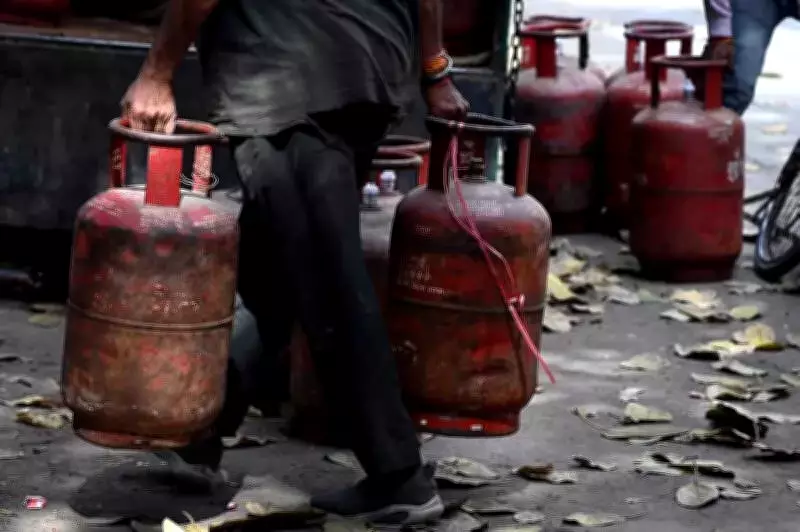
New Delhi's vibrant street food scene, once celebrated for its diverse and elaborate menus, is facing an unprecedented crisis. A severe shortage of commercial LPG cylinders has forced numerous small eateries, dhabas, and food carts to drastically slash their offerings, leaving customers with limited options like rajma chawal, kadhi chawal, and dal. This disruption threatens the livelihoods of vendors and employees who depend on these establishments.
Small Vendors Bear the Brunt While Larger Outlets Manage
While larger restaurants and establishments connected to PNG pipelines are experiencing minimal impact, small-scale food businesses that rely entirely on LPG cylinders are struggling to keep their kitchens operational. Manoj Sharma, a vendor near Connaught Place who typically sells tea, samosas, and Maggi, now offers only tea due to the cylinder scarcity. "We are somehow managing with a limited number of cylinders, but if the supply does not improve soon, it will become very difficult to continue," he explained, highlighting the precarious situation.
Dhabas in Crowded Markets Forced to Trim Elaborate Menus
Owners of decades-old dhabas in bustling areas like Sadar Bazar have been compelled to remove most items from their menus. Meals that once featured rich curries in elaborate thalis and an array of snacks have been reduced to a few basic staples. One owner lamented, "Out of 10 people who walk in, at least seven now leave after hearing that we are serving only rajma or dal," noting a sharp decline in customer numbers.

Anil Mehta, a 65-year-old dhaba owner with experience since 1984, shared his plight: "Earlier, our menu had items like shahi paneer and chhole bhature. But now we are serving only kadhi chawal and rajma chawal. Since Wednesday, we are left with very few cylinders. We are trying to manage the situation as best as we can."
Desperate Measures and Limited Alternatives
Bal Kishan Gupta, who runs a small eatery in the Kotla market area, has discontinued most of the 40-odd items popular among regular customers. "We are now preparing only one dish — dal," Gupta stated. "We have one cylinder left and there is no way to arrange another. We are not getting one even in the black market." He cannot shut shop completely because his 10 employees depend on the business, but most customers walk out upon hearing the limited menu.
Ajay Shukla, a dhaba owner near Paharganj, expressed frustration over the government's prioritization claims: "I booked a gas cylinder for my home as well, but it has not been delivered for three days. Govt is saying households will be given priority, but even that is not happening. We will be able to manage for barely five more days."
Exploring Alternatives Amid Time and Space Constraints
Some vendors are considering alternatives like electric induction stoves. Daksh Manchanda, a 19-year-old running a snack cart near ITO, said his family is exploring such options to keep the business running if the shortage persists. However, others point out practical challenges: "Cooking large batches of food for hundreds of customers on induction stoves takes too much time," one vendor noted, adding that alternatives like coal or wood are difficult due to space constraints and safety concerns in crowded markets.
This crisis underscores the vulnerability of Delhi's small food enterprises and the urgent need for solutions to restore the city's culinary diversity and support its informal economy.