Darjeeling Tea Industry Faces Severe Threat from Industrial LPG Shortage
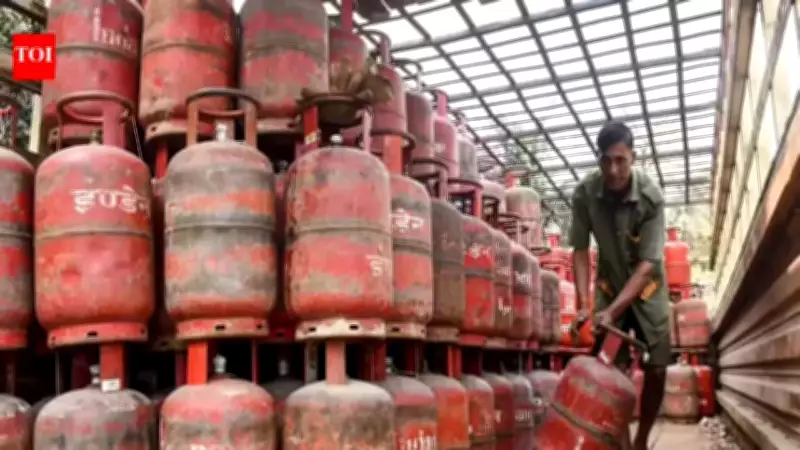
The iconic Darjeeling tea industry is confronting a potentially devastating new challenge that could further cripple its already declining production. The Darjeeling Tea Association has issued a stark warning about an impending shortage of industrial LPG that threatens to disrupt factory operations across the West Bengal district.
Government Directive Sparks Supply Crisis
In a recent letter addressed to the deputy chairman of the Tea Board in Kolkata, the association highlighted a critical communication from the Ministry of Petroleum and Natural Gas. According to the letter, all public sector oil marketing companies have been instructed to supply and market LPG exclusively to households, potentially cutting off industrial LPG supplies to tea estate factories.
"The members of this association request to use your good offices with the concerned ministry to ensure uninterrupted supply of industrial LPG to the factories of the Darjeeling tea industry," the association pleaded in their correspondence.

Vulnerable Transition from Coal to LPG
The timing of this potential supply disruption is particularly alarming because Darjeeling tea estates have undergone a significant energy transition over the past decade. Most factories have shifted from coal-fired systems to industrial LPG, making them entirely dependent on this fuel source for their operations.
This dependency creates a critical vulnerability at a time when the industry can least afford additional setbacks. The Darjeeling tea sector has been experiencing a prolonged production crisis, with output plummeting from a peak of approximately 14 million kg in 1990 to under 6 million kg in recent years.
Historic Production Lows and Structural Challenges
The situation has deteriorated further in 2024 and 2025, with both years recording historic lows in tea production. Data for January through November 2025 reveals an additional 8.79 percent decline compared to the same period in 2024, signaling an accelerating downward trend.
The industry faces multiple structural challenges that compound the current LPG crisis:
- Market Competition: Cheaper tea from Nepal, often similar in characteristics to Darjeeling tea, has flooded domestic markets, causing price stagnation for certified Darjeeling varieties.
- Aging Plantations: Analysts point to insufficient bush replacement in gardens as a key factor behind the sustained output decline, noting that the industry has not done enough to rejuvenate aging plantations.
- Workforce Vulnerability: The potential LPG shortage directly threatens the livelihoods of approximately 55,000 permanent workers and their families who depend on the tea industry.
First Flush Season at Particular Risk
Industry experts emphasize that any interruption in industrial LPG supply during the first flush season could be especially catastrophic. This period commands the highest global premium for Darjeeling tea, with the entire produce largely exported to international markets.
The potential disruption comes at the worst possible moment for an industry already struggling to reverse its decline trajectory. The combination of production challenges, market pressures, and now potential fuel shortages creates a perfect storm that could further diminish Darjeeling's standing in the global tea market.
The Darjeeling Tea Association's urgent appeal to government authorities underscores the critical nature of this situation. Without immediate intervention to secure industrial LPG supplies, one of India's most celebrated agricultural products faces an uncertain future, with potentially irreversible consequences for both the regional economy and global tea connoisseurs.