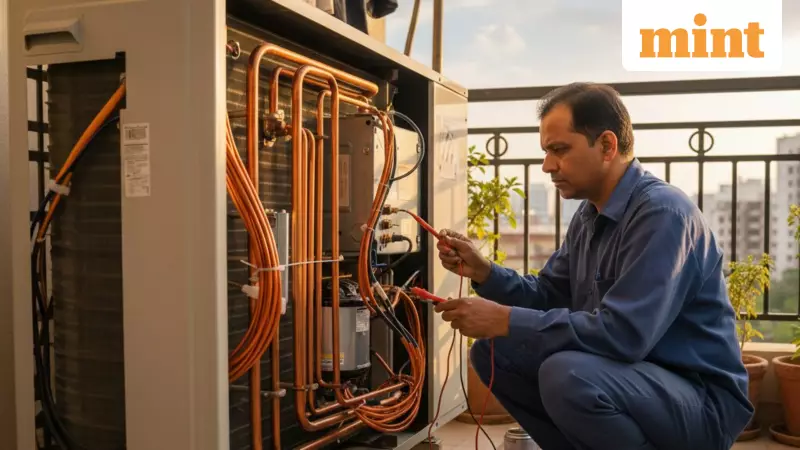
Copper Price Surge Threatens to Cool Summer AC Sales
Consumers planning to buy air conditioners this summer should prepare for higher price tags. A sharp increase in copper prices is pushing up manufacturing costs across several industries. This development will directly impact the affordability of cooling appliances during the peak season.
Why Copper Prices Are Climbing Rapidly
Copper prices have soared approximately 60% over the past twelve months. This metal reached record highs on global markets. Several factors are driving this upward trend.
- Strong Demand from Multiple Sectors: Electric vehicles require three to four times more copper than traditional cars. Renewable energy projects and data centers also consume large amounts of this metal.
- Supply Chain Constraints: Mining disruptions in key regions have tightened global supply. Geopolitical issues and stockpiling activities have further reduced availability.
- Infrastructure Expansion: Power grid upgrades and new construction projects are increasing copper consumption worldwide.
On January 9, domestic copper futures traded at ₹1,281 per kilogram on the Multi-Commodity Exchange. Global prices approached $13,000 per tonne in 2025 according to financial analysts.

Direct Impact on Consumer Appliances
The heating, ventilation, and air conditioning industry faces immediate pressure. Copper is essential for efficient heat transfer in these systems. Manufacturers expect to raise prices by 7–10% for air conditioners and water heaters.
This price increase comes despite a recent reduction in Goods and Services Tax. The government cut GST on air conditioners from 28% to 18% in September 2025. That decision lowered prices by approximately ₹1,500–2,500 per unit. However, rising copper costs are erasing those savings.
Additional factors are contributing to higher consumer prices. The Indian rupee has weakened against the US dollar. New energy efficiency standards from the Bureau of Energy Efficiency took effect in January 2026. These regulations also add to manufacturing expenses.
Broader Industrial Consequences
Multiple sectors are experiencing cost inflation due to expensive copper. The electric vehicle industry faces higher wiring and battery expenses. Renewable energy projects see increased costs for turbines and solar installations. Construction companies pay more for plumbing and electrical systems.
Data centers and artificial intelligence infrastructure rely heavily on copper wiring. These technology hubs are also confronting escalating operational costs. The situation could potentially slow the adoption of green technologies across the economy.
Searching for Alternatives
Manufacturers are actively exploring substitute materials to reduce dependence on copper. Aluminum coils offer a cheaper option but present durability challenges. Stainless steel, brass, and plastic composites are undergoing testing for various applications.
Industry experts note that copper remains superior for thermal conductivity and longevity. Most alternatives involve performance trade-offs. Companies will likely develop hybrid solutions combining copper with other materials to balance cost and efficiency.
Market Outlook for 2026
Major investment banks including JP Morgan and Goldman Sachs provide cautious forecasts. They expect copper prices to remain volatile but not sustain levels above $13,000 per tonne. Most analysts predict trading between $11,750 and $12,500 per tonne.
Structural supply shortages will continue supporting prices. Demand from energy transition projects and artificial intelligence development remains strong. A softer US dollar index provides additional support, though the dollar has strengthened against the rupee.
The long-term trajectory suggests elevated copper prices will persist. Electrification initiatives, infrastructure spending, and clean energy investments will maintain demand pressure.
Other Metals Affecting Consumers
Copper is not the only metal experiencing price increases. Aluminum, zinc, silver, and gold have all reached higher levels. Aluminum is crucial for packaging and construction. Zinc is widely used in galvanization processes.

Silver and gold prices have hit record highs due to safe-haven demand. These increases affect jewelry and electronics manufacturing. Battery metals like lithium and cobalt also face upward price pressure.
However, copper has the most significant consumer impact. It constitutes 22–24% of material costs in a typical air conditioner. Other metals appear in much smaller quantities within these appliances.
Consumers should budget for higher appliance prices throughout 2026. The summer cooling season will particularly highlight these cost increases across the market.