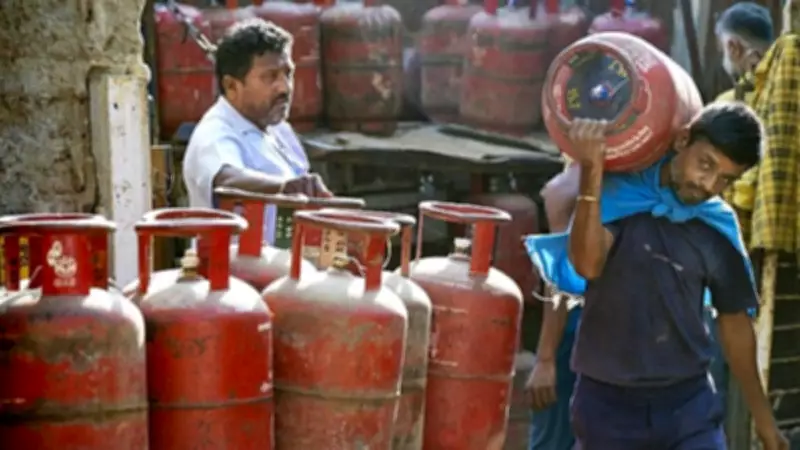
The recent hike in commercial LPG prices is set to exacerbate job losses and push up menu prices in hotels and restaurants, industry bodies have warned. The price of a 19-kg commercial LPG cylinder was increased by Rs 993, reaching a record high of Rs 3,071.50. This sharp rise comes as a significant blow to the hospitality sector, which is already grappling with high operational costs and sluggish demand.
Impact on the Hospitality Sector
Industry experts say the increase will force hotels and restaurants to either absorb the extra cost or pass it on to customers. Given the already thin profit margins, many establishments are likely to choose the latter. This could lead to a further decline in footfall as consumers become more price-sensitive. The Federation of Hotel & Restaurant Associations of India (FHRAI) has expressed deep concern, stating that the hike will lead to job losses across the sector.
Ripple Effects on Employment
The hospitality industry is a major employer, and any increase in costs can have a direct impact on hiring and retention. Smaller eateries and dhabas are particularly vulnerable, as they operate on razor-thin margins. Many may be forced to reduce staff or shut down entirely, worsening the unemployment situation.

Rising Menu Prices
With LPG being a key input for cooking, the price hike will inevitably lead to higher menu prices. Hotels and restaurants have little choice but to revise their rates to stay afloat. This could dampen consumer spending on dining out, further hurting the sector's recovery.
Industry Calls for Government Intervention
Industry bodies are urging the government to reconsider the hike or provide subsidies to offset the impact. They argue that the move is ill-timed, coming at a time when the sector is still recovering from the pandemic. The FHRAI has called for an immediate rollback and a dialogue with stakeholders to find a sustainable solution.
In conclusion, the commercial LPG price hike is a major setback for the hospitality industry, with far-reaching consequences for employment and consumer prices. Stakeholders are hopeful that the government will take corrective measures to mitigate the damage.