Commercial LPG Prices Skyrocket to Rs 5,000 in Bengaluru's Black Market
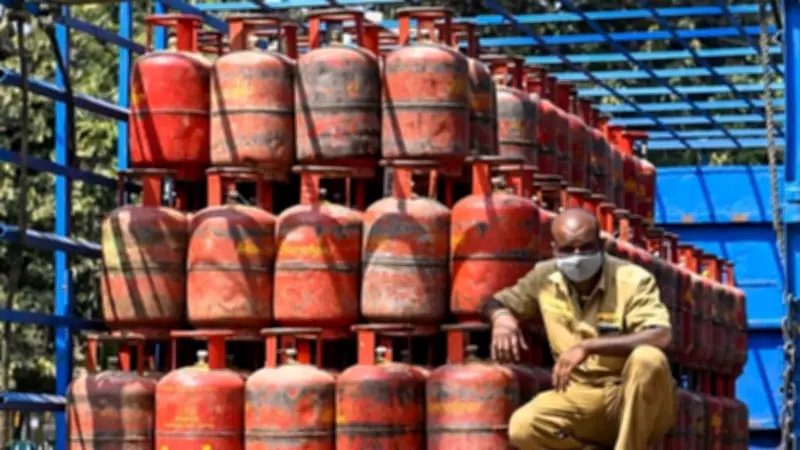
The hotel industry in Bengaluru is grappling with a severe crisis as commercial liquefied petroleum gas (LPG) prices have surged to an alarming Rs 5,000 per cylinder in the black market. This sharp increase has sparked widespread concern among hoteliers, who are now contemplating significant price hikes for their services to offset the escalating fuel costs.
Industry Outcry Over Government Inaction
Hotel owners and operators have expressed deep frustration and resentment toward the state government and regulatory authorities. They accuse these bodies of failing to implement effective measures to curb the rampant black-marketing of this essential fuel. The lack of enforcement has allowed unscrupulous traders to exploit the situation, leading to exorbitant prices that threaten the viability of many hospitality businesses.
The situation has reached a critical point, with industry representatives warning that without immediate intervention, the consequences could extend beyond the hotel sector, affecting the broader economy and consumer prices.

Potential Impact on Consumers and Economy
As hotels and restaurants consider passing on the increased costs to customers, consumers may soon face higher prices for dining out and other hospitality services. This could lead to reduced footfall and revenue for the industry, potentially resulting in job losses and economic slowdown in the region.
The ripple effects of this crisis are expected to be far-reaching, impacting not only the hospitality sector but also related industries such as food supply chains and tourism.
Calls for Urgent Regulatory Action
Industry leaders are urging the government to take swift and decisive action to address the black market issue. Suggested measures include:
- Strengthening surveillance and enforcement against illegal LPG trade
- Increasing the supply of commercial LPG to meet demand
- Implementing price controls or subsidies to stabilize costs
- Enhancing transparency in the distribution system
The hotel industry's plight underscores the urgent need for regulatory reforms to ensure fair access to essential fuels and protect businesses from exploitative practices.