Chennai Hospitality Sector Braces for Turbulent Holiday and Wedding Season Amid LPG Crunch
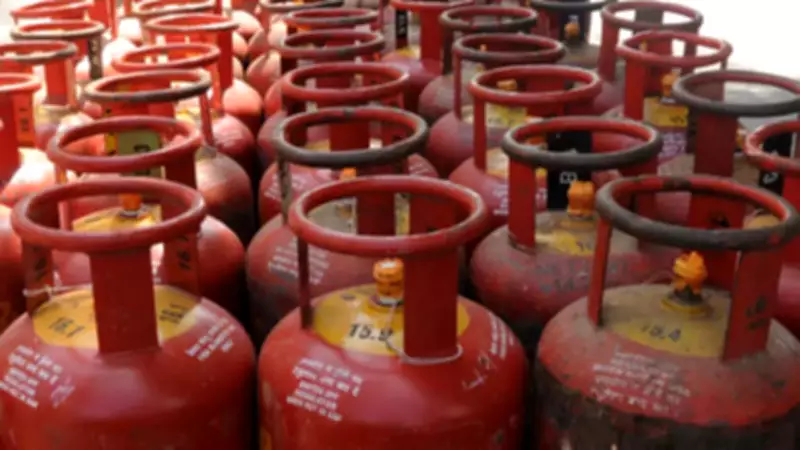
The hospitality sector in Chennai is preparing for a challenging holiday and wedding season as a severe liquefied petroleum gas (LPG) shortage threatens to disrupt operations. Hotels across the city are expressing deep concerns that occupancy rates could plummet dramatically, while caterers fear widespread order cancellations if the fuel crisis persists. This situation has sent shockwaves through an industry already reeling from the impacts of international travel disruptions due to ongoing geopolitical tensions in West Asia.
Widespread Hotel Closures and Operational Challenges
On Thursday, a staggering 30% of the approximately 10,000 hotels in and around Chennai were forced to temporarily close their doors. Larger hotel chains have begun exploring alternative fuel sources such as biogas, but this solution comes with significant drawbacks. Chefs are reporting that biogas significantly slows down cooking processes, creating operational bottlenecks during peak service hours. Additionally, the operating costs for hotels have surged unexpectedly, putting further strain on already tight budgets.
M Ravi, President of the Chennai Hotels Association and head of Namma Veedu Vasantha Bhavan, highlighted the practical difficulties facing the industry. "Many food outlets are unable to switch to traditional firewood cooking methods because modern kitchen facilities lack the proper equipment required for wood-fired cooking," he explained. "Furthermore, most contemporary chefs have not been trained in firewood cooking techniques, creating a significant skills gap that cannot be quickly addressed."

Domestic Tourism Prospects Dampened by Fuel Crisis
With more than 3,000 hotels rated three-star and above throughout Tamil Nadu, the industry had hoped to capitalize on domestic tourism opportunities following the decline in international travel due to the West Asia crisis. However, the cooking fuel shortage has severely dampened these prospects. Vikram Cotah, Chairman of the Tourism Task Force of the Confederation of Indian Industry (CII) and CEO of GRT Hotels and Resorts, painted a grim picture of what lies ahead.
"If this LPG crisis continues unabated, our typical holiday season occupancy rate of around 90% could plummet to just 60%," Cotah warned. "Hotels may be forced to prioritize food preparation for registered guests only and cease serving outside customers at restaurant tables to conserve limited fuel resources."
Industry representatives believe the fuel shortage could also negatively impact large-scale weddings and other banquet events scheduled for the coming months. While some establishments possess commercial-grade electrical induction cookers and specialized dosa makers, these alternatives prove inadequate for preparing fresh, on-the-spot items like dosas and chapatis that require specific cooking conditions.
Association Appeals and Rising Alternative Fuel Costs
T Natarajan, Secretary of the South India Hotels and Restaurants Association, confirmed that occupancy rates had already begun declining earlier due to reduced international travel resulting from geopolitical conflicts. "Our association has formally submitted a representation to government authorities seeking urgent intervention and sustainable solutions to this critical issue," Natarajan stated.
Meanwhile, the sudden surge in demand for alternative cooking fuels has created secondary market pressures. Firewood dealers are struggling to meet the unprecedented demand from hostels, hotels, and catering companies across Chennai. S Muthu from Sridharan Firewood Depot in New Washermanpet reported significant price increases, with the cost of a 25-kilogram bundle of firewood jumping from ₹400 to ₹420 within just a few days.
The combined effect of international travel disruptions and domestic fuel shortages presents a dual challenge for Chennai's hospitality sector during what should be its most profitable season. Industry stakeholders are calling for coordinated efforts between government agencies and private enterprises to develop both immediate relief measures and long-term solutions to ensure the sector's resilience and continued contribution to the regional economy.