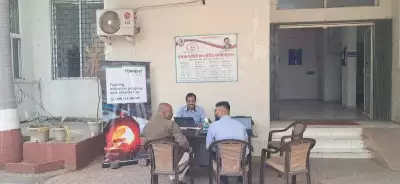
The Central Coffee Research Institute (CCRI) in Balehonnuru, Chikkamagaluru, is marking a monumental century of scientific endeavour dedicated to India's coffee sector. Over these one hundred years, its pioneering work has fundamentally strengthened the country's coffee cultivation, with its systematic breeding programs standing as a cornerstone of its legacy.
A Legacy of Innovation in Coffee Breeding
Among the institute's most significant and lasting contributions is its methodical approach to plant breeding and extensive multi-location testing. This rigorous scientific process has directly led to the development and official release of 13 distinct arabica selections for farmers. Alongside these, CCRI has also introduced several robusta varieties and innovative hybrid coffee plants. These releases provide cultivators with more resilient, productive, and quality-focused options suited to diverse Indian growing conditions.
Groundbreaking Research at the Balehonnuru Campus
Located in the heart of Karnataka's coffee country, the institute has served as the nation's primary hub for coffee science since its inception. The work conducted here, as highlighted in photos from the institute, involves dedicated scientists conducting precise research in laboratories and fields. Furthermore, CCRI plays a crucial role in capacity building, regularly training the next generation of agronomists and students, ensuring the continuity of advanced coffee research and knowledge dissemination.

Shaping the Future of Indian Coffee
The impact of a century of research at Balehonnuru extends far beyond the release of new plant varieties. It has equipped Indian coffee growers with the scientific tools to combat pests, diseases, and the challenges of climate variability. The institute's work on cultivation practices, processing methods, and sustainability continues to underpin the competitiveness and quality reputation of Indian coffee on the global stage. As CCRI steps into its next century, its foundation of systematic research promises further innovations for the industry.
The information was last confirmed on 17 December 2025, underscoring the ongoing relevance of this historic institution's work.