The Union Cabinet, chaired by Prime Minister Narendra Modi, has given its approval to a Rs 37,500 crore incentive scheme aimed at promoting coal gasification in the country. The decision is expected to reduce India's dependence on imported natural gas and methanol, while also creating employment opportunities in the coal sector.
Details of the Coal Gasification Scheme
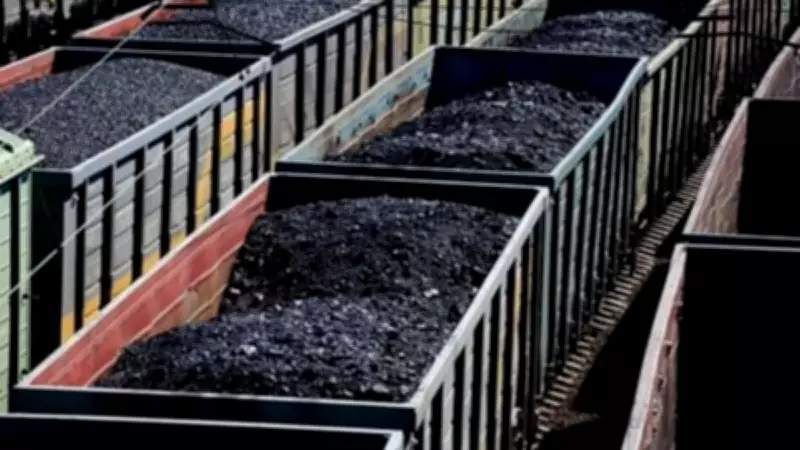
The scheme, named the 'Coal Gasification Incentive Scheme', will provide financial support to both public and private sector companies for setting up coal gasification plants. The government will provide a subsidy of up to 20% of the capital cost for such projects, with a cap of Rs 1,500 crore per project. The scheme is expected to attract investments worth over Rs 1 lakh crore and generate direct and indirect employment for around 1.5 lakh people.
Coal gasification is a process that converts coal into synthesis gas (syngas), which can be used to produce fertilizers, chemicals, and fuels. The technology is seen as a cleaner alternative to traditional coal combustion, as it allows for the capture of carbon dioxide and other pollutants.

Benefits of the Scheme
- Reduced imports: India currently imports a significant amount of natural gas and methanol. The scheme aims to substitute these imports with domestically produced syngas, saving foreign exchange.
- Job creation: The scheme is expected to create employment opportunities in coal-rich states like Jharkhand, Odisha, Chhattisgarh, and West Bengal.
- Environmental benefits: Coal gasification produces fewer emissions compared to conventional coal-fired power plants, contributing to India's climate goals.
Increase in Paddy MSP
In a separate decision, the Cabinet approved an increase in the Minimum Support Price (MSP) for paddy by Rs 72 per quintal for the 2026-27 marketing season. The new MSP for common paddy will be Rs 2,140 per quintal, while for Grade A paddy, it will be Rs 2,170 per quintal. The increase is in line with the government's commitment to ensure farmers receive at least 50% profit over the cost of production.
The MSP hike is expected to benefit millions of paddy farmers across the country, particularly in states like Punjab, Haryana, Uttar Pradesh, and Andhra Pradesh. The decision comes ahead of the upcoming assembly elections in several states and is seen as a move to appease the farming community.
Reactions and Impact
Farmer unions have welcomed the MSP hike but have demanded a more comprehensive mechanism to ensure that all farmers get the MSP for their produce. The government has assured that it will continue to procure paddy at the MSP through its agencies like the Food Corporation of India (FCI).
Economists have noted that the MSP increase will add to the government's food subsidy bill, which is already under pressure due to higher procurement and distribution costs. However, they say that the move is necessary to support farmer incomes and ensure food security.
The Cabinet also approved a proposal to set up a committee to examine the implementation of the MSP system and suggest reforms to make it more effective. The committee is expected to submit its report within three months.