Bengaluru Airport EV Charging Operators Clash Over Tariff Disparity
Electric vehicle charging operators near Kempegowda International Airport are voicing strong discontent over electricity tariffs. Multiple public and private charging facilities cluster around the airport hub. A sharp disparity in pricing is creating tension among these service providers.
Tariff Gap Creates Financial Pressure
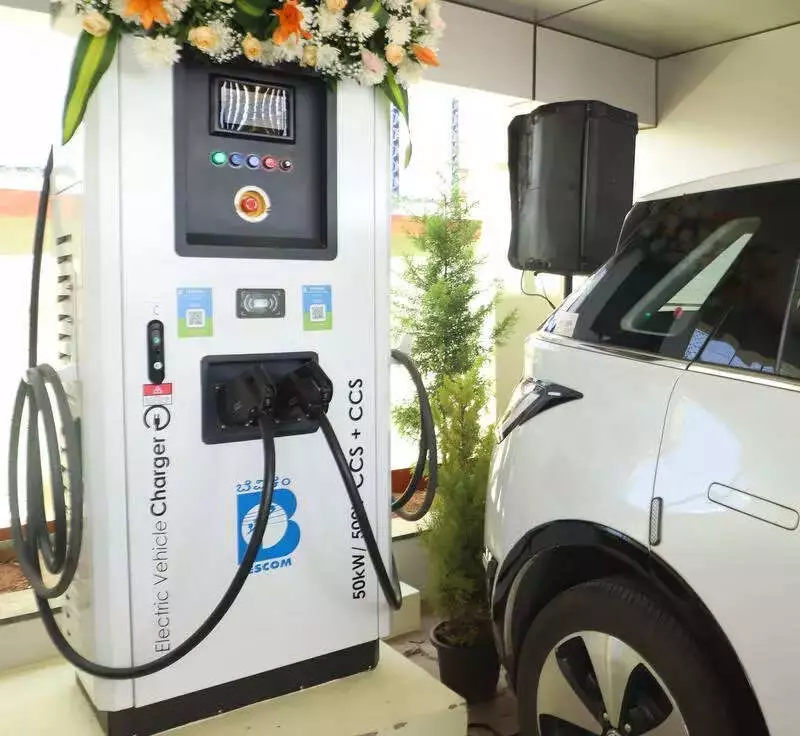
Industry insiders reveal a significant pricing difference between state-owned and private operators. Bescom, the government utility, charges an average of Rs 7.3 per kilowatt-hour at its stations. Several private charge point operators levy around Rs 25.5 per kilowatt-hour for the same service.
This wide gap is causing financial strain for private companies. E-taxi operators and private car users increasingly avoid higher-priced private stations. They prefer charging their vehicles at Bescom's more affordable facilities.

Private operators argue they cannot compete with such low government rates. Multiple petitions have reached Bescom requesting tariff revisions. These petitions also seek implementation of a uniform rate structure across all charging stations.
Growing EV Adoption Fuels Infrastructure Expansion
Electric vehicles have gained substantial popularity among airport commuters. Greater environmental awareness and cost advantages drive this trend. Taxi operators and cab aggregators now deploy sizable EV fleets for city-airport travel.
This surge in electric mobility prompted rapid infrastructure development around KIA. Over recent years, multiple charging facilities emerged to serve thousands of EVs. These stations cater to everything from two-wheelers to buses.
Bescom established grid-connected and solar-powered EV charging stations to meet growing demand. The utility even created the country's first second-life battery storage facility at this location.
Complex Factors Influence Pricing Structures
EV experts explain that multiple elements determine charging tariffs. Vehicle type, power supply costs, and infrastructure investments all play roles. Location, regulatory frameworks, and operational expenses further influence final pricing.
Despite considering these factors, Bescom maintains the lowest tariff structure. This pricing strategy intensifies pressure from private competitors seeking revision.
Government Utility Defends Its Pricing Approach
Bescom managing director N Shivashankar acknowledged the growing demands from private operators. He clarified that the government-owned company cannot adopt private pricing models.
"As a government-owned company, we are not focused on profit from EV charging," Shivashankar stated. "The energy sales at EV charging stations remain minimal. However, in the interest of citizens and to promote EV adoption, we have kept tariffs at the lowest possible level."
Comparative Tariff Analysis
The tariff disparity becomes clear when examining specific charging types:
- AC-001 charging: Bescom charges Rs 7 per kWh while private operators range from Rs 16 to Rs 27
- Solar charging: Bescom offers Rs 10.3 per kWh compared to private rates around Rs 19.5
- Non-solar AC charging: Bescom maintains Rs 16.8 per kWh versus private rates reaching Rs 27.5
- CCS charging: Bescom charges Rs 27.7 per kWh while private operators range from Rs 25 to Rs 27.7
- DC-001 charging: Bescom offers Rs 17.2 per kWh compared to private rates around Rs 25
This comprehensive comparison highlights the consistent pricing advantage Bescom maintains across all charging categories. The situation continues to evolve as both sides navigate this complex pricing landscape.