Belagavi's Electric Vehicle Surge: A Green Mobility Transformation
Belagavi, a border district in Karnataka, is experiencing a remarkable shift toward electric mobility, with residents increasingly opting for eco-friendly transport solutions. Over the past three years, more than 30,000 electric vehicles (EVs) have been added to the region's roads, driven by rising fuel prices, environmental concerns, and improved vehicle designs.
Rapid Growth in EV Registrations
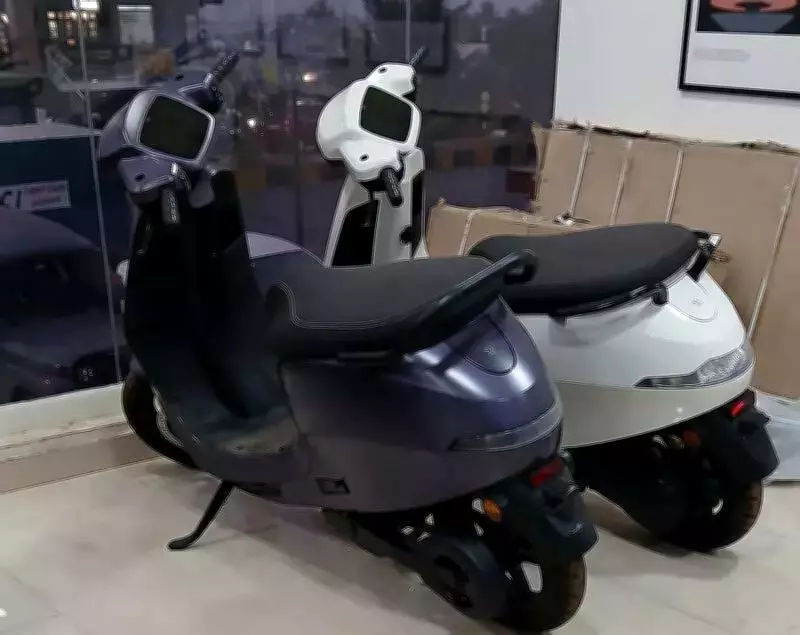
According to regional transport authorities, Belagavi has recorded a steady increase in EV adoption. In 2023, an estimated 5,300 electric vehicles were registered, including over 5,000 two-wheelers, 130 cars, and 100 autorickshaws. This trend accelerated in 2024 with 6,200 registrations and further in 2025 with 7,000. Notably, 6,000 to 7,000 electric two-wheelers were purchased annually during this period, highlighting a strong preference for bikes among commuters.
The total number of EVs plying within the jurisdiction of the Belagavi, Chikodi, and Bailhongal regional transport office divisions now exceeds 30,000. This figure includes vehicles registered in other states but operating locally, underscoring the district's growing role as an EV hub.

Factors Driving the EV Boom
Several key factors are fueling this transition. Initially, hesitation due to the novelty of battery-powered vehicles held back adoption. However, new designs and enhanced reliability have built consumer trust. Rising fuel costs and air pollution concerns have pushed residents toward sustainable alternatives.
Economic and Practical Benefits: EVs offer low maintenance costs, and with Karnataka's Gruha Jyoti scheme providing free electricity, home charging bills are minimal. This has made EVs particularly attractive for delivery drivers and small business owners, who rely on timely and cost-effective transport.
Infrastructure and Policy Support: The number of EV showrooms in Belagavi city and across the district is expanding monthly, with various companies launching new models. Additionally, the Central government's PM-eBus Sewa Scheme has allocated 100 electric buses to Belagavi out of 750 sanctioned for Karnataka, as confirmed by Minister of State Tokhan Sahu in a Rajya Sabha reply on February 9, 2026.
Community and Future Outlook
From college students to middle-aged adults, diverse demographics are embracing EVs. Commuters cite challenges with bus availability under the Shakti scheme, further boosting private EV purchases. Nagesh Mundas, an official of NWKRTC, noted that a proposal for 200 electric buses has been submitted, indicating continued public sector interest.
This trend is expected to grow, with residents increasingly prioritizing environmentally friendly options that reduce air pollution. As Belagavi sets an example in sustainable transport, its EV revolution signals a broader shift toward green mobility in India's urban and semi-urban landscapes.