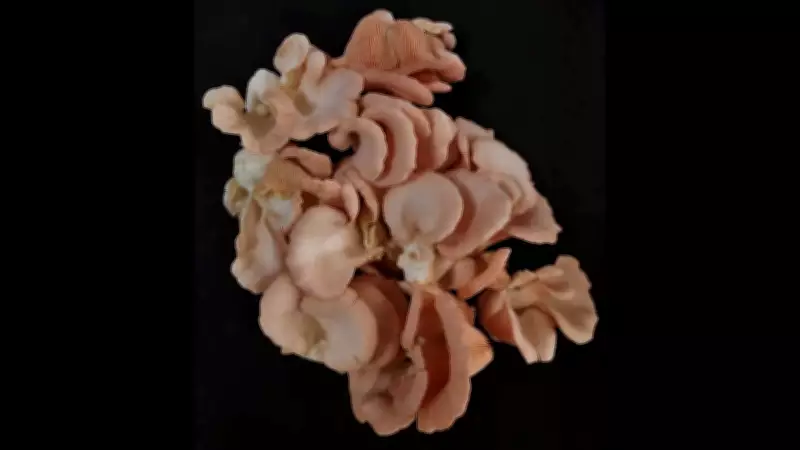
Revolutionary Pink Oyster Mushroom Developed by Bihar Agricultural University
In a significant agricultural breakthrough, scientists at Bihar Agricultural University (BAU) in Bhagalpur have successfully developed a novel variety of pink oyster mushroom that promises to transform farming practices in the region. This innovative strain is specifically engineered to be disease-resistant and features an exceptionally short crop cycle of just 20 to 25 days, enabling farmers to achieve quicker harvesting and realize faster returns on their investments.
Project Details and Research Leadership
The pioneering pink mushroom project (PMP) at BAU was spearheaded under the expert guidance of Vice Chancellor D R Singh, with scientist Sneha Shikha serving as the lead researcher. Their collaborative efforts have yielded a mushroom variety that not only addresses common cultivation challenges but also opens new avenues for agricultural diversification and income generation.
Adaptability to Warm Climatic Conditions
According to lead researcher Sneha Shikha, this newly developed pink oyster mushroom is particularly well-suited to warm climatic conditions, thriving effectively at temperatures around 30°C with high humidity levels. "This characteristic makes it an ideal cultivation option even during the warmer months, especially in regions like Bihar that experience hot and humid weather patterns," Shikha explained. She further emphasized that the variety demonstrates improved yield stability compared to conventional strains, enhancing its reliability for farmers.

Key Features and Agricultural Benefits
The pink oyster mushroom boasts several advantageous features that contribute to its agricultural viability:
- Efficient Substrate Utilization: It proficiently utilizes lignocellulosic substrates such as paddy and wheat residues, making use of common agricultural byproducts.
- High Humidity Tolerance: The variety can withstand humidity levels between 80% and 90%, which is crucial for successful cultivation in humid regions.
- Strong Market Appeal: Its distinct pink color and unique flavor profile give it a competitive edge in local markets, potentially commanding higher prices.
Shikha highlighted that "opting for cultivating pink oyster mushroom will significantly improve profitability for farmers while also extending the cultivation window throughout the year."
Research Focus and Commercial Viability
Vice Chancellor D R Singh detailed that the research initiative concentrated on multiple critical aspects including productivity enhancement, growth behavior across various agricultural residues, disease resistance, and overall commercial viability. "Our comprehensive approach ensures that this variety meets the practical needs of farmers while offering economic benefits," Singh stated.
He also revealed that BAU is actively developing production techniques and disseminating knowledge through extensive training and extension activities. "We are encouraging comparative assessments with other commonly cultivated oyster mushroom varieties to generate reliable data on productivity and profitability for farmers," Singh added, confirming that spawns will be made available to farmers and stakeholders to facilitate widespread adoption.
Market Potential and Socioeconomic Impact
The pink oyster mushroom distinguishes itself through its attractive coloration, abbreviated cultivation period, and appealing taste, all of which enhance its marketability. "With a short crop cycle of approximately 20 to 25 days, it enables rapid harvesting and delivers faster financial returns to cultivators," Singh emphasized.
This agricultural innovation is anticipated to promote substantial income generation and foster the growth of mushroom-based cottage industries among farmers, rural youth, and women. By providing a resilient and profitable cultivation option, BAU's development aims to strengthen the agricultural economy and support sustainable farming practices in Bihar and beyond.