Airbus Explores ATR Final Assembly Line in India to Support Regional Aviation Growth
In a significant development for India's aviation sector, Airbus has indicated its openness to establishing a final assembly line (FAL) in the country for its ATR regional aircraft. This move aligns with the Modi government's aggressive push to enhance aerial connectivity for small towns and cities across India.
Existing Partnerships and Infrastructure
Airbus already operates two FALs in India through its partnership with Tata Advanced Systems Limited (TASL). These include a facility in Vadodara for the C295 military transport aircraft and another in Karnataka for the H125 commercial helicopter. The European aerospace giant is now in discussions with stakeholders to assess the business case for an ATR FAL, which would mark its third such venture in the country.
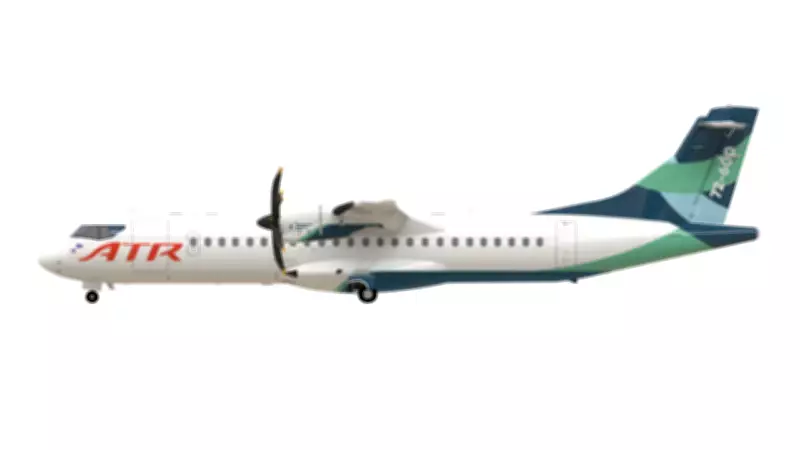
ATR, jointly owned by Airbus and Leonardo, holds a strong presence in India's regional aviation market. IndiGo operates a fleet of 50 ATR turboprops, while FLY91, based in Goa, currently has six aircraft with plans to double its fleet this year. The ATR, with a capacity of up to 78 seats, is similar in size to the C295, making it a viable candidate for local assembly.

Government Initiatives and Market Potential
The Indian government recently approved a modified regional connectivity scheme (RCS) with a budget outlay of Rs 28,840 crore over ten years. This initiative aims to develop 100 airstrips into airports and provide subsidies to airlines operating on RCS routes. Airbus is bullish on the growth of international travel and regional connectivity in India, viewing it as the next major driver for air travel following the surge in domestic flights.
Sources reveal that Airbus is closely examining two critical aspects for the proposed ATR FAL. First, the high operating costs for Indian airlines, including jet fuel pricing, airport charges, and navigation fees, must be addressed to ensure long-term viability beyond RCS subsidies. Second, reducing acquisition costs for customer airlines through enhanced indigenization of components is a priority, potentially culminating in the establishment of an ATR FAL.
Strategic Discussions and Industry Context
Airbus India & South Asia president Juergen Westermeier recently met with Union Aviation Minister Ram Mohan Naidu to discuss the proposed FAL and ways to strengthen local manufacturing in line with Prime Minister Modi's Make in India vision. The government has expressed keen interest in Airbus setting up an FAL, given the massive orders from IndiGo and Air India Group, totaling approximately 1,300 aircraft worth billions of dollars.
This development follows Brazilian aerospace major Embraer's announcement of plans to establish an FAL with the Adani Group in India, contingent on a firm order for 200 aircraft. Airbus, however, has a history of setting up FALs without initial orders, as seen with the H125 helicopter facility. Sources indicate that any announcement regarding the ATR FAL would likely be unconditional and not dependent on subsequent orders from Indian customers.
Challenges and Opportunities
Pilot training costs for smaller aircraft like the ATR and Embraer models are higher compared to larger planes such as the Boeing 737 and Airbus A320. Addressing this issue is crucial for the growth of regional plane usage in India. Additionally, Airbus has an established supply chain in the country, with Bengaluru-based Dynamatic Technologies manufacturing doors for the A220 family and TASL producing bulk and cargo doors for the A320 family.
Local manufacturing of ATR or Embraer aircraft could significantly reduce acquisition costs for operators, especially with the government planning fiscal incentives. This strategic move not only supports India's aviation ambitions but also positions Airbus to capitalize on the burgeoning regional connectivity market, fostering a more sustainable and cost-effective ecosystem for airlines and passengers alike.