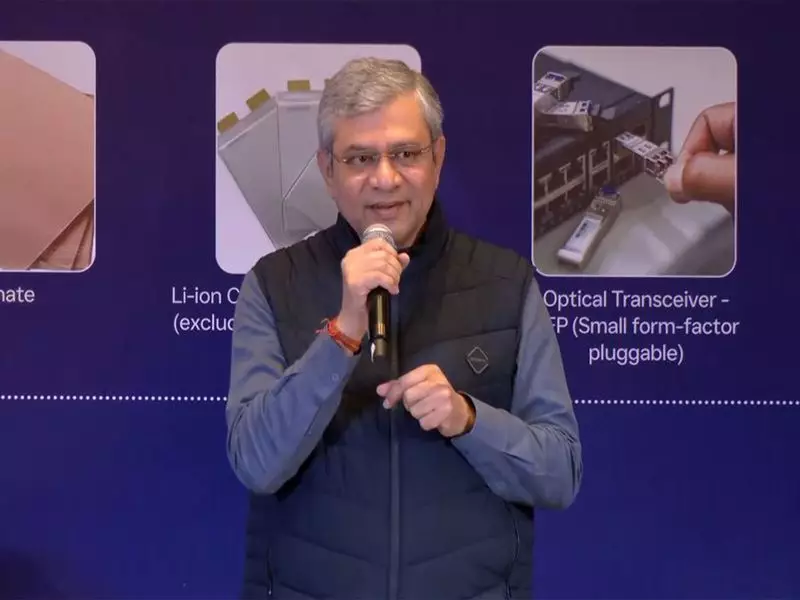
India's ambitious push to become a global hub for electronics manufacturing is set to achieve a significant milestone. Four new semiconductor fabrication plants are on track to begin commercial production within the country by the year 2026. This development marks a crucial step in the nation's strategy to reduce its heavy reliance on imported chips and establish a self-reliant ecosystem for critical technology components.
Details of the Upcoming Semiconductor Facilities
The information comes directly from a senior government official involved in the initiative. The projects are moving forward under the modified scheme for semiconductor manufacturing, which offers substantial financial incentives to attract major global and domestic players. While the official did not disclose the names of all the specific companies, it is confirmed that these four units include proposals for both chip fabrication and assembly, testing, marking, and packaging (ATMP) facilities.
This multi-pronged approach ensures that India builds capacity across the semiconductor value chain. The government's proactive stance and streamlined approval process have been instrumental in accelerating these projects from the proposal stage to the verge of construction and eventual production.

Government's Strategic Push and Incentives
The Indian government has committed a massive Rs 76,000 crore to foster a domestic semiconductor and display manufacturing ecosystem. This financial outlay is part of a broader vision to secure the country's technological future and position it as a key player in the global supply chain. The scheme provides attractive fiscal support, making it viable for companies to set up capital-intensive semiconductor plants in India.
The official emphasized that the government is working closely with the states to ensure all necessary infrastructure, including reliable power and water supply, is in place to support these high-tech facilities. The goal is to create an environment where these plants can operate at peak efficiency from day one of their commercial launch in 2026.
Broader Impact on Electronics and Employment
The establishment of these four plants is expected to have a transformative impact on India's industrial landscape. First and foremost, it will drastically cut down the import bill for semiconductors, which are the essential brains behind everything from smartphones and computers to automobiles and defense equipment. This move towards import substitution will strengthen India's economic security and trade balance.
Furthermore, the semiconductor sector is a major job creator, requiring a wide range of skills from high-end research and engineering to technical support and manufacturing. The coming online of these plants is projected to generate thousands of direct and indirect employment opportunities, fostering a new generation of skilled professionals in cutting-edge technology fields. It will also act as a catalyst for ancillary industries and attract further investment into the electronics manufacturing sector.
In conclusion, the timeline for commercial production by 2026 sets a clear and achievable target for India's semiconductor ambitions. This strategic initiative promises to enhance national technological sovereignty, boost the 'Make in India' campaign in a critical sector, and integrate the country more deeply into the global electronics supply chain. The next few years will be crucial as these projects move from the drawing board to the factory floor, paving the way for India's rise as a semiconductor manufacturing nation.