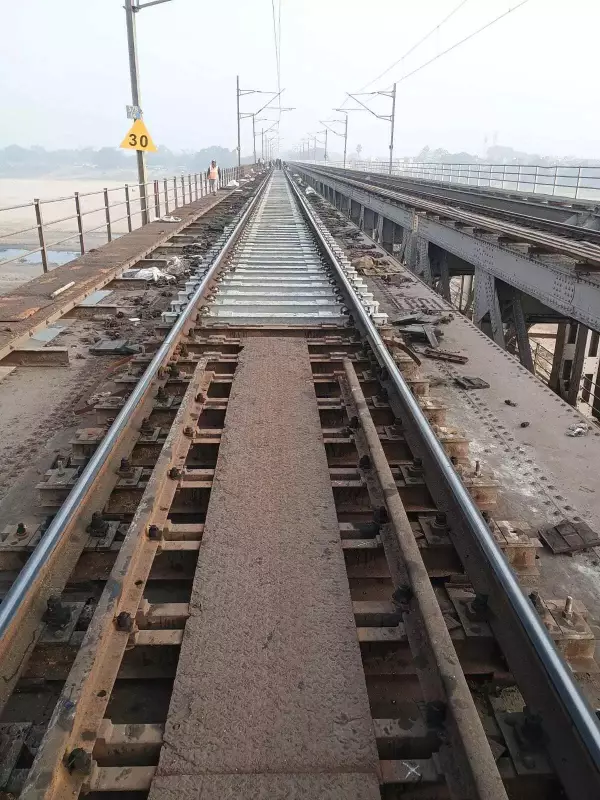
Railway authorities in Patna have launched a major restoration project for the historic Koilwar rail bridge. This 164-year-old engineering marvel spans the Sone river in Bihar's Danapur division.
A Bridge With Rich History
The Koilwar bridge represents an important chapter in India's railway development. British engineers James Meadows Rendel and Sir Matthew Digby Wyatt designed this impressive structure. Construction started in 1856 but faced temporary suspension during the 1857 sepoy mutiny.
Workers completed the bridge in 1862 despite the interruption. Lord Elgin, then Viceroy of India, officially inaugurated the structure. The bridge immediately became a landmark achievement for railway engineering in colonial India.

Engineering Marvel of Its Time
When finished, the Koilwar bridge measured an impressive 1.44 kilometers in length. This made it the longest rail bridge in all of Asia at that time. Its innovative double-decker design supported both railway tracks and road traffic simultaneously.
This unique feature demonstrated advanced engineering capabilities during the British era. The bridge served as a powerful symbol of technological ambition in 19th century India.
Modern Restoration Efforts
Senior divisional commercial manager Abhinav Siddarth explained the current renovation goals. Railway teams aim to strengthen the bridge structure for enhanced safety. Both rail passengers and road users will benefit from these improvements.
Workers are replacing old iron sleepers with modern H-beam steel sleepers. This upgrade will allow semi-high-speed trains to cross the bridge at 130 kilometers per hour. Railway safety personnel maintain round-the-clock patrolling during the restoration process.
Historical Documents Guide Restoration
Railway engineers have discovered an invaluable resource for their work. They now have access to civil engineer George Turnbull's original 1851 notebook. This document contains detailed records of the bridge's initial construction.
Turnbull played a significant role in building several iconic bridges during colonial times. His notebook provides precise insights into the original design specifications. Restoration teams can now ensure historically accurate repairs using this information.
Future Significance
Once restoration completes, the Koilwar bridge will continue serving the region's transportation needs. The structure will stand as a living testament to 19th century engineering ingenuity. Modern upgrades will ensure it remains functional for contemporary railway requirements.
This project represents a careful balance between preserving historical heritage and meeting modern infrastructure demands. The bridge connects past engineering achievements with future transportation needs in Bihar.