The Indian government's recent decision to return to market-determined pricing for liquefied petroleum gas (LPG) cylinders marks a significant shift in energy policy. After a period of price stabilization aimed at cushioning consumers from global volatility, the deferred pricing mechanism is now back in effect. This move has reignited discussions about the balance between fiscal prudence and political expediency, especially with state elections on the horizon.
Understanding the Shift
For months, the government had kept LPG prices artificially low to provide relief to households amid rising inflation. This intervention, while popular, strained the exchequer. Now, with global crude prices stabilizing, policymakers have opted to phase out subsidies gradually. The revised pricing reflects international market trends, meaning consumers will once again face monthly fluctuations.
Impact on Households
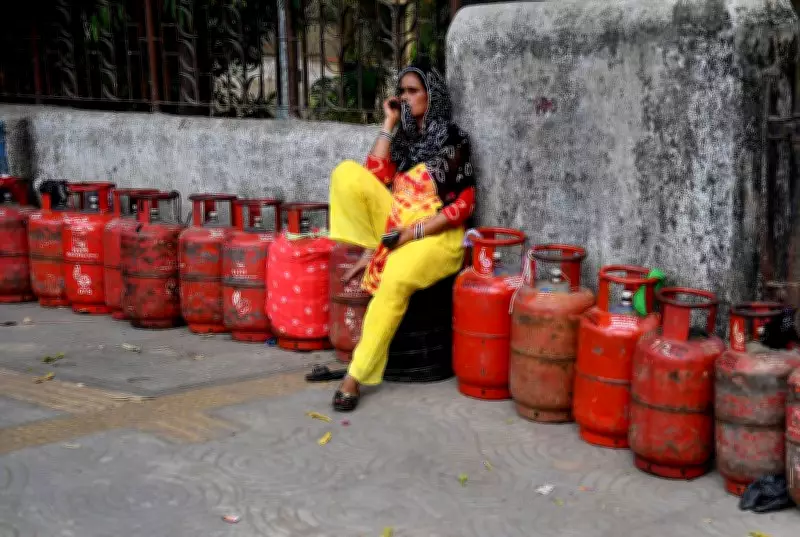
For the average Indian family, LPG is a essential cooking fuel. The return to market pricing could increase monthly expenses by Rs 50-100 per cylinder, depending on global oil movements. While this may seem modest, it adds to the cumulative burden of rising food and transportation costs. Rural women, who often manage household budgets, are particularly sensitive to such changes.

Political Calculations
The timing of this decision is critical. With assembly elections in several states due within a year, the government is walking a tightrope. Subsidies have historically been a tool for wooing voters, but fiscal constraints and IMF pressure are pushing for reforms. Opposition parties have seized on the issue, accusing the government of prioritizing fiscal targets over public welfare.
Broader Economic Context
India's subsidy bill has been a point of contention with credit rating agencies. By moving towards market pricing, the government signals commitment to fiscal consolidation. However, the transition must be managed carefully to avoid backlash. The success of this policy hinges on effective communication and targeted support for the poorest households.
What Lies Ahead
As LPG prices find their new equilibrium, consumers should brace for volatility. The government may introduce a direct benefit transfer scheme to compensate low-income families, similar to the model used for kerosene. Such a mechanism could mitigate the political fallout while maintaining market efficiency.
In conclusion, the return to market-based LPG pricing is a pragmatic but risky step. It reflects a broader trend of subsidy rationalization in India, but its political acceptability will depend on how well the government manages the transition. For now, households must adapt to the new normal of fluctuating cooking gas prices.