

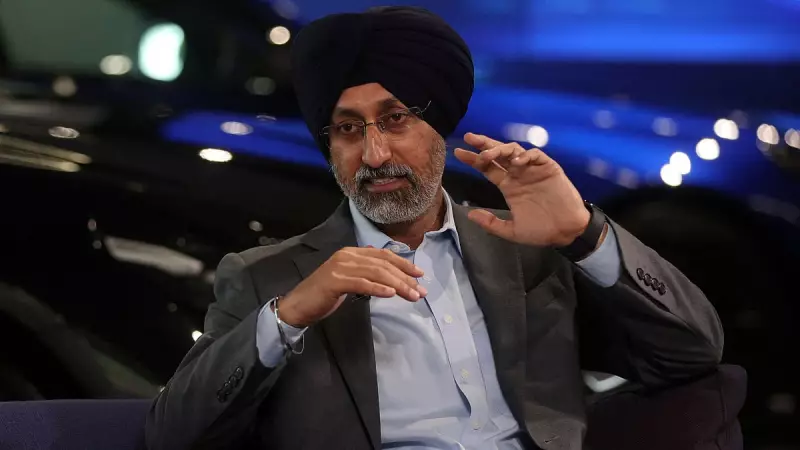
In a significant appeal to policymakers, the head of BMW Group in India has emphasized the critical need to maintain the current Goods and Services Tax (GST) structure for electric vehicles. This call comes as the German automotive giant navigates a complex landscape of policy changes and global economic pressures to strengthen its foothold in the country's burgeoning luxury car segment.
Navigating Policy and Global Headwinds
Hardeep Singh Brar, President and CEO of BMW Group India, has publicly stated that it is 'critical to leave GST on all electric vehicles untouched'. This appeal was made against a backdrop of ongoing GST rate deliberations, geopolitical uncertainties, and financial pressures stemming from currency fluctuations that impact import costs. Despite these challenges, the company's strategy remains sharply focused on expanding the luxury car market in India, with electric vehicles (EVs) being a central pillar of this growth plan.
The statement, reported on 12 January 2026, underscores the automotive industry's desire for policy stability as it makes significant long-term investments in electric mobility. BMW's commitment persists even as it adapts to evolving customer preferences and regulatory adjustments in one of the world's most promising automotive markets.

A Strategic Focus on Electric Luxury
BMW's India strategy clearly prioritizes the electric vehicle portfolio. The company believes that a consistent and favorable tax regime is essential to accelerate the adoption of premium electric cars. Any increase in GST rates could potentially dampen consumer interest and slow down the EV transition in the luxury segment, which is still in a growth phase.
Brar's comments highlight a key concern for automakers: the need for predictable policy to support the high costs associated with developing, importing, and marketing advanced electric vehicles. The luxury EV market requires substantial investment in infrastructure, technology, and consumer education, all of which rely on a stable economic framework.
The Road Ahead for BMW and India's EV Ambitions
The stance taken by BMW's India leadership reflects a broader industry sentiment. A stable tax policy for EVs is seen not just as a business imperative for carmakers, but as a crucial enabler for the Indian government's own sustainability and decarbonization goals. The company's continued focus suggests several key points for the market's future:
- Long-term Commitment: BMW is signaling a long-term investment in India's electric vehicle ecosystem.
- Market Confidence: Policy stability is directly linked to corporate confidence and the pace of new model introductions.
- Consumer Choice: A thriving luxury EV segment expands choices for Indian consumers and supports the trickle-down of advanced technology.
As of early 2026, BMW Group India, under Brar's leadership, appears determined to steer through the 'geopolitical churn and currency-led import pressures'. The ultimate goal is to solidify its position while contributing to the evolution of India's automotive landscape towards a more electric and sustainable future. The company's success will depend on a synergistic relationship between progressive corporate strategy and supportive, consistent government policy.






