

Sri Lanka Announces Significant Fuel Price Increase Amid Global Energy Market Turmoil
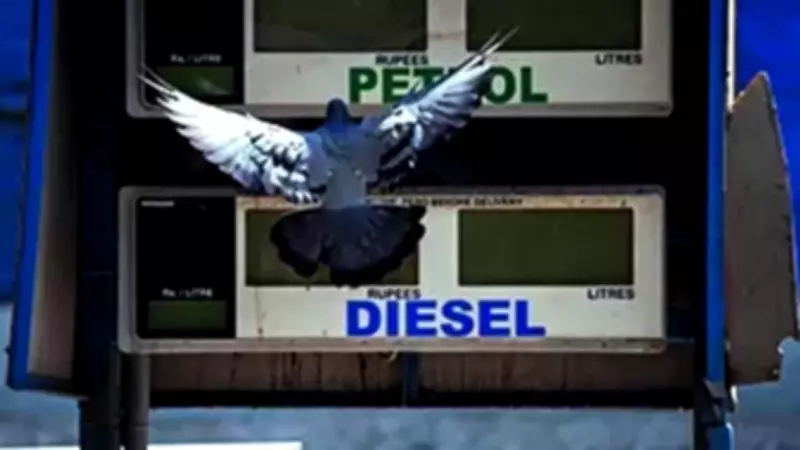
Sri Lanka implemented a substantial fuel price hike of approximately 25% on Sunday, marking the second such increase within a single week. This decision comes as the ongoing Middle East conflict continues to severely disrupt global energy markets, according to reports from news agency PTI.
Impact of Regional Tensions on Fuel Costs
The price revision, effective from midnight, is directly linked to escalating tensions triggered by joint US–Israel strikes on Iran and subsequent retaliatory actions by Tehran. These events have spread instability across the Gulf region, leading to the critical closure of the Strait of Hormuz, a major global energy transit route.
Official announcements detail the specific increases: auto diesel rose by 26.1% from Sri Lankan rupees (LKR) 303 to LKR 382 per litre, while super diesel increased by 25.5% from LKR 353 to LKR 443. Petrol 92 octane climbed 25.6% from LKR 317 to LKR 398, petrol 95 octane rose 24.7% from LKR 365 to LKR 455, and kerosene jumped dramatically by 30.8% from LKR 195 to LKR 255.

Historical Context and Economic Implications
This represents the third fuel price hike since March 1, coinciding with the conflict entering its fourth week and unsettling global oil markets. With this latest adjustment, retail fuel prices in Sri Lanka are nearing levels last seen during the 2022 economic crisis, a period when the country declared its first-ever sovereign default since independence in 1948. That unprecedented financial turmoil forced then-president Gotabaya Rajapaksa to resign amid widespread civil unrest.
Transport Sector Reactions and Threats
The steep increase has sparked significant concern among transport operators. Non-state bus owners have warned that up to 90% of their fleet could be taken off the roads unless fares are revised promptly. Gamunu Wijeratne, chairman of the Lanka Private Bus Owners’ Association, stated, "This is the biggest rise of diesel ever. We will not be able to operate buses without an adequate fare revision. We need a minimum 15% fare hike to stay afloat." The association has threatened a nationwide strike if authorities fail to announce a scheduled fare revision.
In response, the National Transport Commission (NTC) indicated that the latest diesel price increase, when applied to its fare formula, translates into a rise of more than 10% in current bus fares. NTC Director General Nilan Miranda noted that Cabinet approval is expected on Monday to implement revised fares, according to media reports.
Broader Economic and Social Effects
Private operators account for approximately 65–75% of the island nation’s public transport fleet, with state-run services making up the remaining 25–35%. Three-wheeler taxi operators, many using petrol vehicles dominated by India’s Bajaj brand, expressed dismay as the price of commonly used petrol surged to nearly LKR 400 per litre. One driver lamented, "Who would want to ride with us at this rate?"
Apart from the state-owned Ceylon Petroleum Corporation (CPC), fuel retailing in Sri Lanka is also handled by Lanka IOC—a subsidiary of IndianOil—as well as China’s Sinopec and Australia’s United Petroleum. Following CPC’s decision, LIOC and Sinopec have also revised their retail fuel prices, as per media reports.
Political and Analytical Perspectives
Opposition leaders have criticised the government’s tax policy, claiming that authorities collect about LKR 119 per litre of petrol and LKR 93 per litre of diesel in taxes. They demand these levies be scrapped to provide relief to consumers. Analysts warn that the fresh fuel price hike could push inflation higher by 5–8%, exacerbating economic challenges.
Government spokesman and minister Nalinda Jayatissa explained that despite the price revisions, the government continues to bear a monthly subsidy burden of around Rs 20 billion by subsidising diesel by Rs 100 per litre and petrol by Rs 20 per litre. He stated that without the revision, the state would have faced an additional financial burden of approximately $1.5 billion. Jayatissa urged the public to consume electricity and fuel "mindfully" and warned against hoarding, calling on citizens to report any such attempts.






