

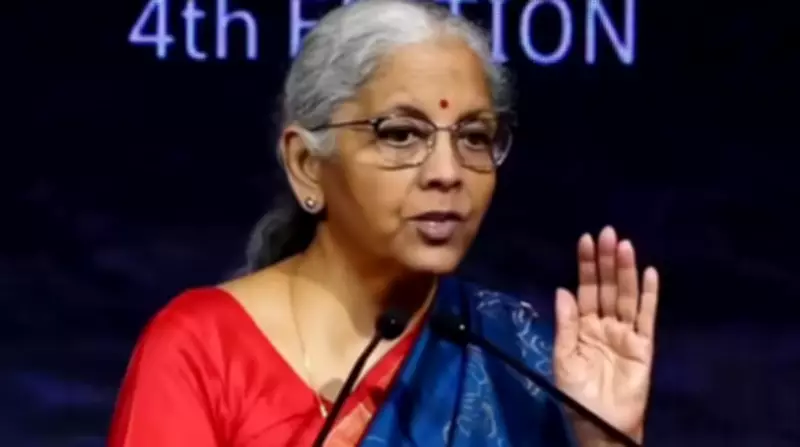
Finance Minister Sitharaman Downplays Inflation Concerns Amid Oil Price Surge
Finance Minister Nirmala Sitharaman addressed the Lok Sabha on Monday, asserting that the recent increase in global oil prices is unlikely to lead to a significant acceleration in inflation. She emphasized that India's inflation rate is currently near the lower bound of the target range, mitigating the immediate impact.
Current Inflation Context and Oil Price Dynamics
According to official data, retail inflation stands at 2.8%, which is close to the lower end of the 2-6% band set for the Monetary Policy Committee (MPC). Sitharaman referenced the MPC's report from October, noting that a 10% rise in crude prices from baseline assumptions, with full pass-through, would translate to a 30 basis point increase in inflation. This calculation highlights the relatively contained effect under current conditions.
Between the end of February and March 2, the Indian basket price of crude oil surged by 16% to $80.2 per barrel, and it is now approaching the $100 per barrel mark. This upward trend is compounded by a weaker rupee, which adds to the import bill and operational costs for oil refiners, potentially exacerbating financial pressures.

Government Measures and Consumer Impact
Despite the rise in cooking gas prices, the government has ruled out an immediate hike in petrol and diesel prices. This decision is based on the healthy profits oil marketing companies were making prior to the conflict in West Asia, as well as the significant revenue the Centre has been collecting from fuel sales. Both the government and oil companies are expected to absorb the initial brunt before any impact is passed on to consumers.
Sitharaman outlined several factors that will influence the medium-term impact of global crude oil price increases on inflation, including:
- Exchange rate movements
- Global demand and supply dynamics
- Monetary policy transmission
- The state of general inflation
- The extent of indirect pass-through effects
Collaborative Efforts to Maintain Price Stability
The Finance Minister highlighted the collaborative efforts between the Centre and the Reserve Bank of India (RBI) to ensure inflation remains moderate. Key measures implemented include:
- Initiatives to cool down food prices
- Reductions in fuel taxes
- Taxation reforms, such as the rationalization of GST and income tax
These steps are part of a broader strategy to shield the economy from external shocks and maintain stability in the face of volatile global oil markets. Sitharaman's remarks underscore the government's proactive approach to managing inflationary pressures while supporting economic growth.






