

Budget 2026 Introduces Duty Concessions for SEZ Units Selling Domestically
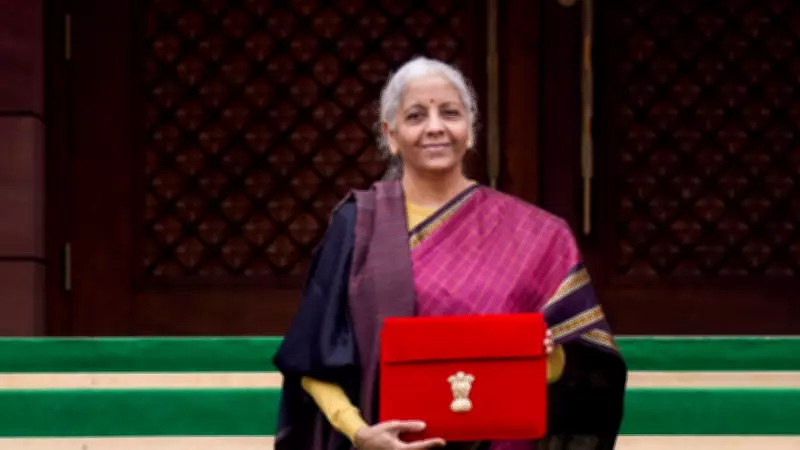
In a significant move to address trade tensions and boost domestic manufacturing, Union Finance Minister Nirmala Sitharaman announced on Sunday that eligible manufacturers in Special Economic Zones (SEZs) will now be permitted to sell goods to the Domestic Tariff Area (DTA) at concessional duty rates. This decision, part of the Budget 2026-27 proposals, aims to fulfill a long-standing demand from the commerce department and is expected to enhance import substitution efforts across the country.
Key Details of the New SEZ Policy
Sitharaman clarified that only a prescribed share of production from SEZ units can be sold in the Indian market outside these zones at lower rates, instead of paying the standard import duty. This measure is designed to ensure that domestic industries are not adversely affected, with specific sectors like oil refineries potentially being excluded from the scheme. Commerce Minister Piyush Goyal emphasized that the initiative will help reduce imports from overseas by utilizing the spare capacity of several units, thereby making goods available at competitive prices within India.
Impact on Exports and Domestic Economy
In the fiscal year 2024-25, oil accounted for nearly 40% of the goods exported from SEZs, with Reliance's Jamnagar facility being a major contributor. Engineering products and gems and jewellery followed, representing 19% and a significant portion, respectively. Last year, goods exports from SEZs were estimated at $69 billion. Commerce Secretary Rajesh Agrawal highlighted that this relief for SEZ units will enable them to achieve economies of scale and support import substitution, ultimately strengthening the domestic manufacturing sector.

Implementation and Future Outlook
The detailed norms for this policy are expected to be announced over the next one to two months. Goyal assured that the government will carefully consider the interests of domestic industries while implementing the scheme, ensuring a balanced approach to trade and economic growth. This move is seen as a strategic step to leverage SEZ capabilities for national benefit, aligning with broader economic goals under Budget 2026.






