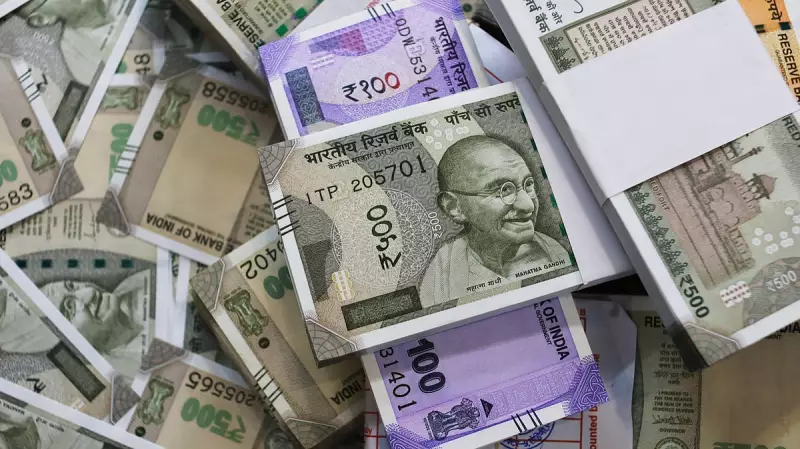
The Indian rupee has stepped into the new year of 2026 under significant pressure, closing the previous year with its most substantial annual decline in three years. The domestic currency's performance has raised concerns among traders and policymakers alike.
Rupee's Year-End Performance: A Closer Look
As the clock struck 10 a.m. Indian Standard Time on Wednesday, the final trading day of 2025, the rupee was quoting at 89.8650 against the U.S. dollar. This level cemented a challenging year for the currency, which saw it lose considerable ground against the greenback.
The annual decline for the year 2025 stood at 4.74%, a figure that represents the currency's poorest annual showing since 2022. For context, back in 2022, the Indian rupee had experienced a far more severe drop, plunging by nearly 10% over the course of that year.

Context and Historical Comparison
This year's slide marks a reversal from the relative stability witnessed in the intervening period. The 4.74% depreciation in 2025 underscores the renewed pressures facing emerging market currencies, with the Indian rupee being no exception. The comparison to the 2022 slump is inevitable, though the magnitude this time is approximately half.
Several global and domestic factors typically contribute to such currency movements. While the original report from Reuters, dated 31 December 2025, 10:34 IST, captured the snapshot, the underlying causes often include:
- Strengthening of the US dollar in global markets.
- Outflows of foreign capital from Indian markets.
- Widening trade deficits and global crude oil price fluctuations.
- Broader risk-off sentiment impacting emerging economies.
Implications for the Economy and the Road Ahead
Entering 2026 on a weak footing has immediate consequences. A depreciating rupee makes imports more expensive, which can fuel inflation, particularly for a country like India that imports a significant portion of its energy needs. Conversely, it can provide a boost to export-oriented sectors by making their goods more competitive in international markets.
The Reserve Bank of India (RBI) likely monitored this weakness closely throughout the year, occasionally intervening in the currency market to curb excessive volatility. The central bank's actions aim to ensure orderly market conditions while maintaining adequate foreign exchange reserves.
The key takeaway is that the rupee's 2025 performance highlights the ongoing vulnerability of emerging market currencies to global financial shifts. As 2026 begins, all eyes will be on macroeconomic data, central bank policies, and global risk trends to gauge whether the rupee can find a firmer footing or if the pressure will persist.