Rupee to Depreciate to 92 Level by End-2026: UBS Report
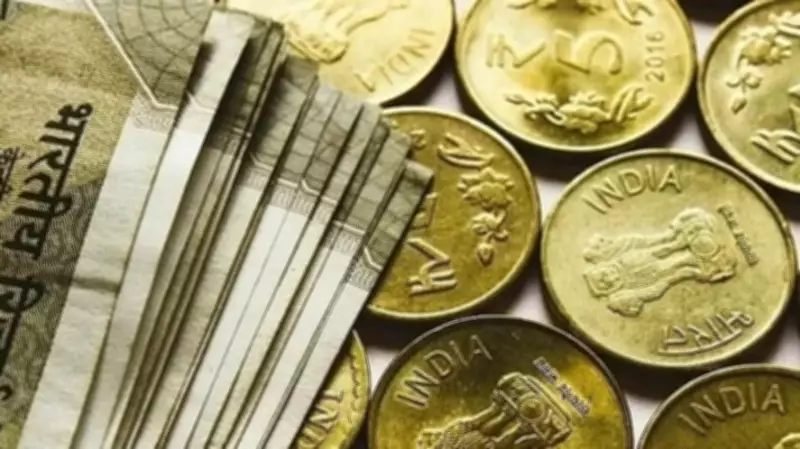
The Indian rupee is projected to depreciate to approximately 92 against the US dollar by the end of 2026, according to a recent report from UBS. This forecast comes despite some short-term relief observed following the US-India trade deal, which had initially provided a boost to market sentiment.
Less Bearish Outlook Compared to Market Expectations
Interestingly, the UBS outlook is relatively less bearish when compared to broader market expectations. The financial markets are currently anticipating a steeper depreciation rate of 3-4 per cent per annum. If these broader expectations hold true, the USD-INR exchange rate could potentially reach around 93-94 by the end of the year, indicating a more aggressive decline than what UBS predicts.
Impact of the US-India Trade Deal
The US-India trade deal, which was finalized recently, has offered some temporary respite to the rupee. This agreement has helped in easing trade tensions and fostering better economic relations between the two nations. However, the UBS report suggests that this relief might be short-lived, as underlying economic factors continue to exert pressure on the Indian currency.

Factors Influencing Rupee Depreciation
Several key factors are contributing to the anticipated depreciation of the rupee:
- Global Economic Conditions: Ongoing uncertainties in the global economy, including fluctuations in oil prices and geopolitical tensions, are impacting currency markets worldwide.
- Domestic Economic Indicators: India's current account deficit, inflation rates, and fiscal policies play a crucial role in determining the rupee's strength.
- Monetary Policy Decisions: Actions taken by the Reserve Bank of India (RBI) and the US Federal Reserve regarding interest rates can significantly influence the USD-INR exchange rate.
Market Reactions and Future Projections
Market analysts are closely monitoring these developments, as the rupee's performance has implications for various sectors of the Indian economy, including exports, imports, and foreign investments. While the UBS report provides a specific target, it is essential to consider that currency forecasts are subject to change based on evolving economic scenarios.
Investors and businesses are advised to stay informed about these trends and adjust their strategies accordingly. The interplay between domestic policies and international trade dynamics will be critical in shaping the rupee's trajectory over the coming years.