

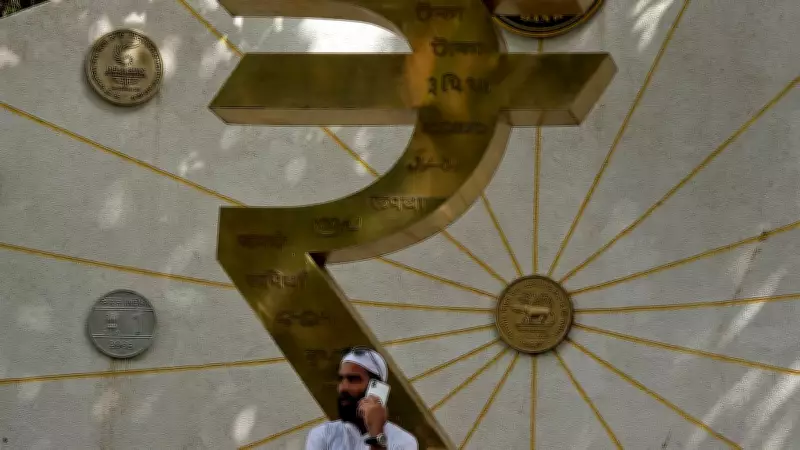
Indian Rupee Stages Recovery from Record Lows Against US Dollar
The Indian rupee demonstrated a notable recovery from its record low levels during trading on Wednesday, ultimately settling 16 paise down at 92.17 against the US dollar. This movement came after the currency faced significant pressure in early trade, primarily driven by heavy foreign fund outflows that placed it on a weak footing from the outset.
Key Factors Influencing the Rupee's Performance
Forex traders highlighted that a combination of external and domestic factors contributed to the rupee's volatility. A stronger US dollar exerted downward pressure on the Indian currency, as the greenback's appreciation typically makes imports more expensive and impacts emerging market currencies like the rupee. Additionally, volatility in the domestic equity markets further weighed on the rupee, creating an environment of uncertainty for investors.
The early session saw the rupee struggling due to sustained foreign fund outflows, which have been a persistent concern for the Indian economy. These outflows reflect broader global risk aversion and shifting investment patterns, often leading to depreciation pressures on the currency.

Market Dynamics and Trader Insights
According to forex traders, the rupee's ability to recover from its lows indicates some underlying resilience in the market. However, the overall sentiment remains cautious as global economic conditions and domestic market fluctuations continue to pose challenges. The settlement at 92.17, though down by 16 paise, represents a partial rebound from the day's worst levels, suggesting that intervention or natural market corrections may have played a role.
The interplay between the US dollar's strength and India's equity market performance is crucial in understanding the rupee's trajectory. When domestic stocks experience volatility, it can lead to reduced foreign investment and increased selling pressure on the rupee, exacerbating its decline.
Implications for the Indian Economy
The rupee's performance against the US dollar has direct implications for various sectors of the Indian economy:
- Import Costs: A weaker rupee makes imports more expensive, potentially leading to higher inflation and affecting businesses that rely on foreign goods.
- Export Competitiveness: On the flip side, a depreciated rupee can boost exports by making Indian products cheaper in international markets, though this benefit may be offset by global demand factors.
- Foreign Investment: Persistent outflows and currency weakness can deter foreign investors, impacting capital flows and economic growth prospects.
As of the latest update, market participants are closely monitoring these developments, with the rupee's recovery offering a glimmer of stability amid ongoing challenges. The focus now shifts to future trading sessions and potential policy responses to support the currency.






