

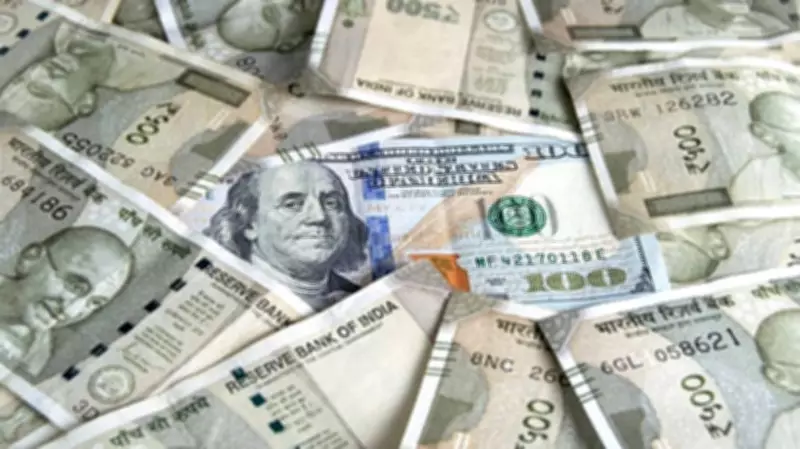
Indian Rupee Weakens Against US Dollar in Early Market Session
The Indian rupee experienced a notable decline in the early trading hours on Monday, falling by 18 paise to settle at 93.94 against the US dollar. This movement reflects ongoing pressures in the foreign exchange market, driven by a combination of domestic and international economic factors.
Key Factors Influencing the Rupee's Depreciation
Forex traders and analysts have pointed to several critical elements contributing to the rupee's downward trend. The primary driver is the strengthening of the US dollar in global markets, which has made the greenback more expensive relative to other currencies, including the Indian rupee. Additionally, rising crude oil prices have exerted further pressure, as India is a major importer of oil, and higher costs can widen the trade deficit and weaken the currency.
Market sentiment has also been affected by broader economic indicators, such as inflation concerns and monetary policy expectations from the Reserve Bank of India (RBI). Investors are closely monitoring these developments to gauge future currency movements and potential interventions by the central bank.

Market Dynamics and Trading Patterns
In the interbank foreign exchange market, the rupee opened at a lower level and continued to face selling pressure throughout the early session. The trading range was relatively narrow, with the currency hovering around the 93.90 to 94.00 mark against the dollar. This volatility is typical during periods of heightened economic uncertainty and global market fluctuations.
Forex experts suggest that the rupee's performance is likely to remain sensitive to external factors, including geopolitical events and changes in US Federal Reserve policies. Domestic economic data, such as GDP growth figures and export-import statistics, will also play a crucial role in shaping the currency's trajectory in the coming days.
Implications for the Indian Economy
The depreciation of the rupee has mixed implications for the Indian economy. On one hand, a weaker rupee can boost exports by making Indian goods more competitive in international markets, potentially benefiting sectors like information technology and manufacturing. On the other hand, it increases the cost of imports, particularly for essential commodities like oil and electronics, which could contribute to inflationary pressures.
Policymakers and financial institutions are advised to keep a close watch on these developments to implement timely measures that stabilize the currency and support economic growth. The RBI may consider interventions in the forex market if the rupee's volatility threatens macroeconomic stability.
ConclusionThe early trade decline of the rupee underscores the complex interplay of global and domestic factors in the forex market. As the trading day progresses, market participants will continue to analyze real-time data and news to adjust their strategies accordingly. For now, the rupee's movement remains a key indicator of India's economic resilience in the face of external challenges.






