

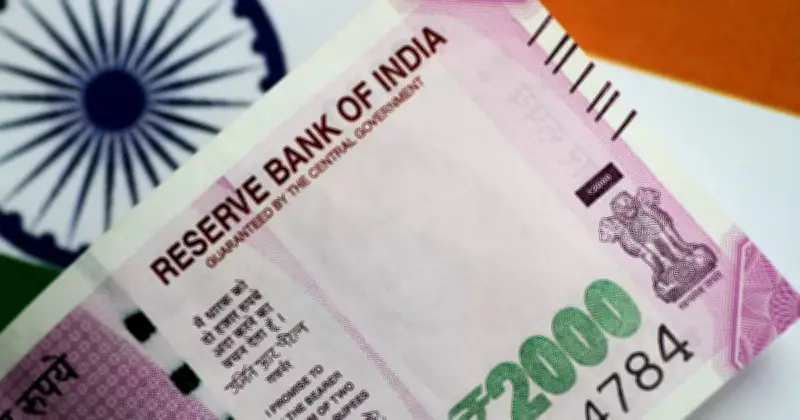
Rupee Plunges to 93.73 Against US Dollar, Worst Single-Day Fall Since 2020
The Indian rupee experienced a severe downturn on Thursday, dropping to 93.73 against the US dollar, which represents its most significant single-day decline in four years. This sharp fall has raised concerns among investors and policymakers about the currency's stability amid ongoing global economic uncertainties.
Key Factors Behind the Rupee's Decline
Global Market Volatility: The rupee's depreciation was primarily fueled by heightened volatility in international financial markets. Rising US Treasury yields and a stronger dollar index put pressure on emerging market currencies, including the rupee. Additionally, geopolitical tensions and fluctuating oil prices contributed to the adverse sentiment.
Domestic Economic Pressures: On the home front, India's trade deficit and inflationary trends have weakened the rupee's position. Recent data indicating slower-than-expected economic growth has further dampened investor confidence, leading to increased selling of the currency.

Impact on the Indian Economy
Forex Market Reactions: The rupee's fall triggered a sell-off in the forex market, with traders adjusting their positions in response to the rapid depreciation. This has led to increased volatility and uncertainty in currency trading sessions.
Implications for Imports and Exports: A weaker rupee makes imports more expensive, which could exacerbate inflation and affect sectors reliant on foreign goods. Conversely, it may benefit exporters by making Indian products cheaper in international markets, though the overall economic impact remains mixed.
Historical Context and Future Outlook
This decline marks the rupee's worst single-day performance since 2020, when it faced similar pressures during the COVID-19 pandemic. Analysts suggest that the Reserve Bank of India (RBI) might intervene to stabilize the currency if the downtrend persists.
- Monitoring by RBI: The central bank is closely watching the situation and may use its foreign exchange reserves to curb excessive volatility.
- Market Expectations: Experts predict that the rupee could face further pressure in the coming weeks, depending on global economic developments and domestic policy responses.
In summary, the rupee's sharp fall to 93.73 against the USD highlights the challenges facing India's economy in a turbulent global environment. Stakeholders are advised to stay informed about market trends and regulatory actions to navigate this period of uncertainty.






