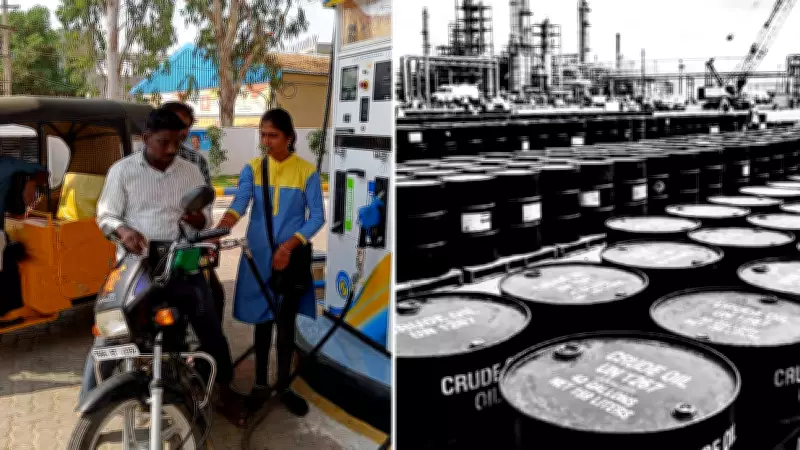
Oil Prices Drop After US-Iran Ceasefire, But Indian Fuel Costs May Not Fall Soon
Global oil markets have experienced a significant downturn following the announcement of a temporary ceasefire between the United States and Iran. This geopolitical development has triggered a sharp reduction in crude oil prices worldwide, initially sparking optimism among fuel consumers in India about potential cost savings. However, despite this favorable shift in international benchmarks, the prospect of cheaper petrol and diesel at Indian pumps remains uncertain and likely delayed.
Why the Global Price Drop May Not Translate to Local Relief
The connection between falling crude oil prices and reduced retail fuel costs in India is not straightforward. Several critical factors intervene to buffer or delay the transmission of global price benefits to end consumers. High taxation structures imposed by both central and state governments constitute a substantial portion of the final retail price. These taxes often remain fixed or are adjusted infrequently, meaning that even if crude costs decline, the tax component can keep pump prices elevated.
Supply chain logistics and refining margins also play a crucial role. The time required for cheaper crude to be processed into petroleum products and distributed across the country can create a lag. Additionally, oil marketing companies may choose to absorb some of the gains to recover previous losses or stabilize their financial positions, further postponing price reductions for consumers.

Persistent Geopolitical Risks in the Strait of Hormuz
Beyond domestic factors, ongoing geopolitical tensions continue to cast a shadow over global oil stability. The Strait of Hormuz, a vital maritime chokepoint for oil shipments, remains a flashpoint. Any escalation or disruption in this region could swiftly reverse the current price decline, adding volatility and uncertainty to the market. This risk necessitates cautious pricing strategies by both refiners and retailers, who must account for potential sudden spikes in crude costs.
Moreover, the ceasefire between the US and Iran is described as temporary, introducing an element of fragility to the situation. Should hostilities resume or other geopolitical events unfold, oil prices could rebound rapidly, erasing any temporary gains. This precarious balance underscores why Indian fuel prices may not see sustained reductions in the near term.
The Broader Impact on Indian Economy and Consumers
The delayed transmission of lower oil prices affects not only individual vehicle owners but also the broader Indian economy. Transportation costs influence the prices of goods and services across sectors, from agriculture to manufacturing. While a prolonged period of low crude prices could eventually lead to some relief, the immediate outlook suggests that consumers should temper their expectations.
In summary, while the US-Iran ceasefire has provided a welcome dip in global oil prices, Indian consumers may need to wait longer than anticipated for cheaper fuel. The interplay of high taxes, supply chain dynamics, and persistent geopolitical risks means that the road to reduced petrol and diesel costs is likely to be gradual and uncertain.