

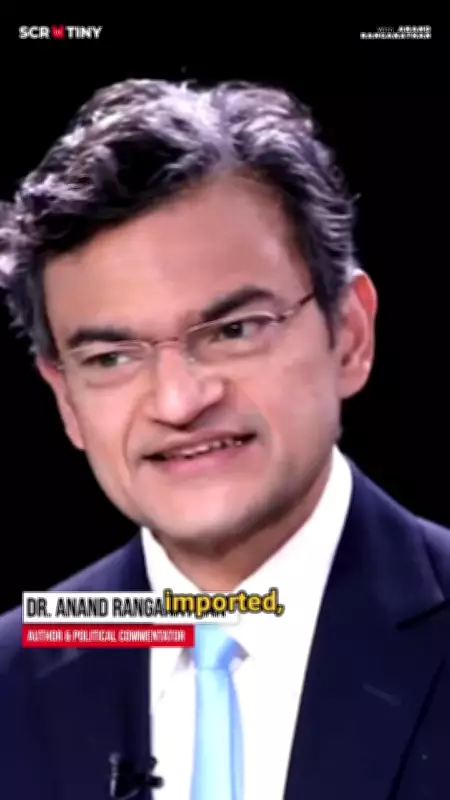
Anand Ranganathan Issues Blunt Verdict on India's LPG Crisis
In a recent commentary, author and commentator Anand Ranganathan has delivered a sharp critique of India's ongoing liquefied petroleum gas (LPG) crisis, attributing the widespread panic and shortages directly to systemic mismanagement. Ranganathan's analysis highlights deep-rooted issues in the supply and distribution chains that have exacerbated the situation, leaving many households scrambling for fuel.
Root Causes of the Panic
Ranganathan points to a combination of factors fueling the LPG panic. He emphasizes that poor planning and logistical failures have led to inconsistent supply, with distribution networks struggling to meet demand in various regions. This has been compounded by inadequate storage facilities and a lack of contingency measures, making the system vulnerable to disruptions.
Key issues identified include:

- Inefficient allocation of LPG cylinders across states and urban-rural divides.
- Delays in procurement and transportation due to bureaucratic hurdles.
- Insufficient investment in infrastructure to handle peak demand periods.
Impact on Households and Economy
The gas crisis has had a significant impact on daily life, with many families facing uncertainty over their cooking fuel supply. Ranganathan notes that this not only causes inconvenience but also strains household budgets, as people may resort to costlier alternatives. Moreover, the panic buying and hoarding that often accompany such shortages can further destabilize the market, creating a vicious cycle of scarcity.
From an economic perspective, the mismanagement affects small businesses and industries reliant on LPG, potentially slowing down economic activity and increasing operational costs.
Calls for Reform and Solutions
Ranganathan calls for urgent reforms to address the mismanagement. He suggests implementing better forecasting models to predict demand accurately and improving coordination between government agencies and private suppliers. Additionally, he advocates for:
- Enhancing digital tracking systems for LPG distribution to ensure transparency.
- Investing in renewable energy alternatives to reduce dependency on LPG.
- Streamlining regulatory processes to expedite supply chain operations.
By tackling these issues head-on, Ranganathan believes India can mitigate the panic and build a more resilient gas supply system for the future.






